Adapting spaces, adapting minds: What inclusive facility management really means

Adapting spaces, adapting minds: What inclusive facility management really means

When people hear the phrase ‘inclusive sport facility’, they tend to think first of physical adaptations: ramps, accessible bathrooms, wider doorways, adapted equipment. These things matter enormously, and their absence is a genuine barrier for many people with disabilities. But if the conversation stops there, it misses the larger part of what inclusive facility management actually involves.


A space can be physically accessible and still feel unwelcoming. A programme can be technically open to everyone and still, in practice, serve only some. The physical environment is one dimension of inclusion – and an important one – but it is not the only one, and perhaps not even the most decisive one.


What makes a sport or leisure facility genuinely inclusive is the combination of physical accessibility, adapted programming, trained and confident staff, clear and accessible communication, a culture of welcome, and the active involvement of people with disabilities in shaping how the space is used and managed. Each of these elements reinforces the others. Remove any one of them and the overall experience of inclusion is diminished.


This is why capacity building for the management of inclusive sport facilities – one of the central focuses of CB4leisureYwD – goes well beyond a checklist of physical modifications. It covers the legal frameworks that protect the rights of people with disabilities. It addresses how programmes can be designed and adapted for mixed groups. It looks at staff training and development, inclusive communication strategies, partnership with disability organisations, and the mechanisms for ongoing monitoring and improvement.


Crucially, it also addresses the empowerment of young people with disabilities themselves to take on active roles in coordinating and managing these spaces. Inclusion is not only about being welcomed into a space – it is about having a meaningful say in how that space operates.


The goal is not to create a perfect blueprint that every organisation follows in exactly the same way. Contexts differ too much for that to be useful. The goal is to give organisations and individuals the knowledge, frameworks and practical tools to make thoughtful decisions in their own specific situation – and to keep improving as they go.
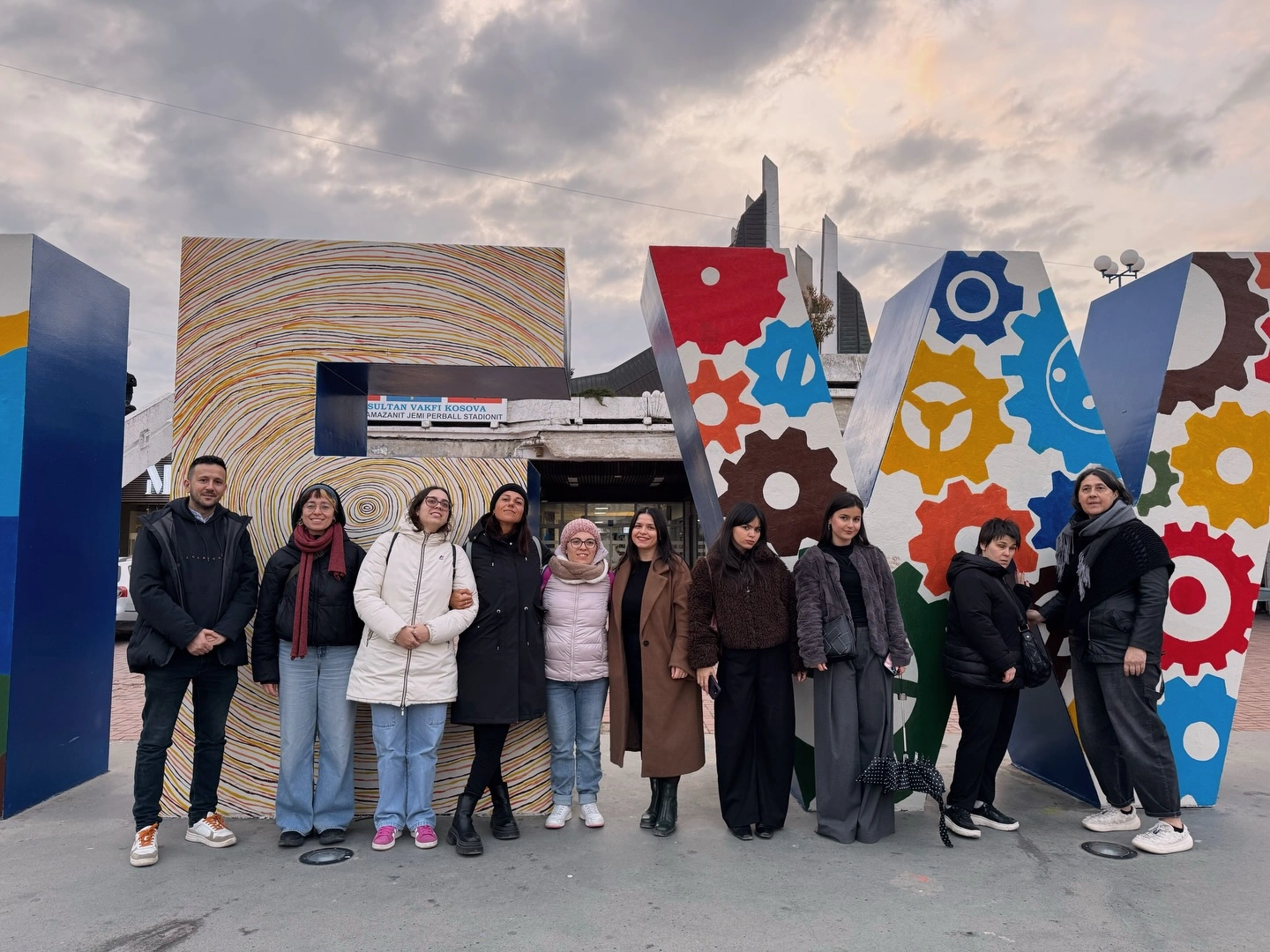
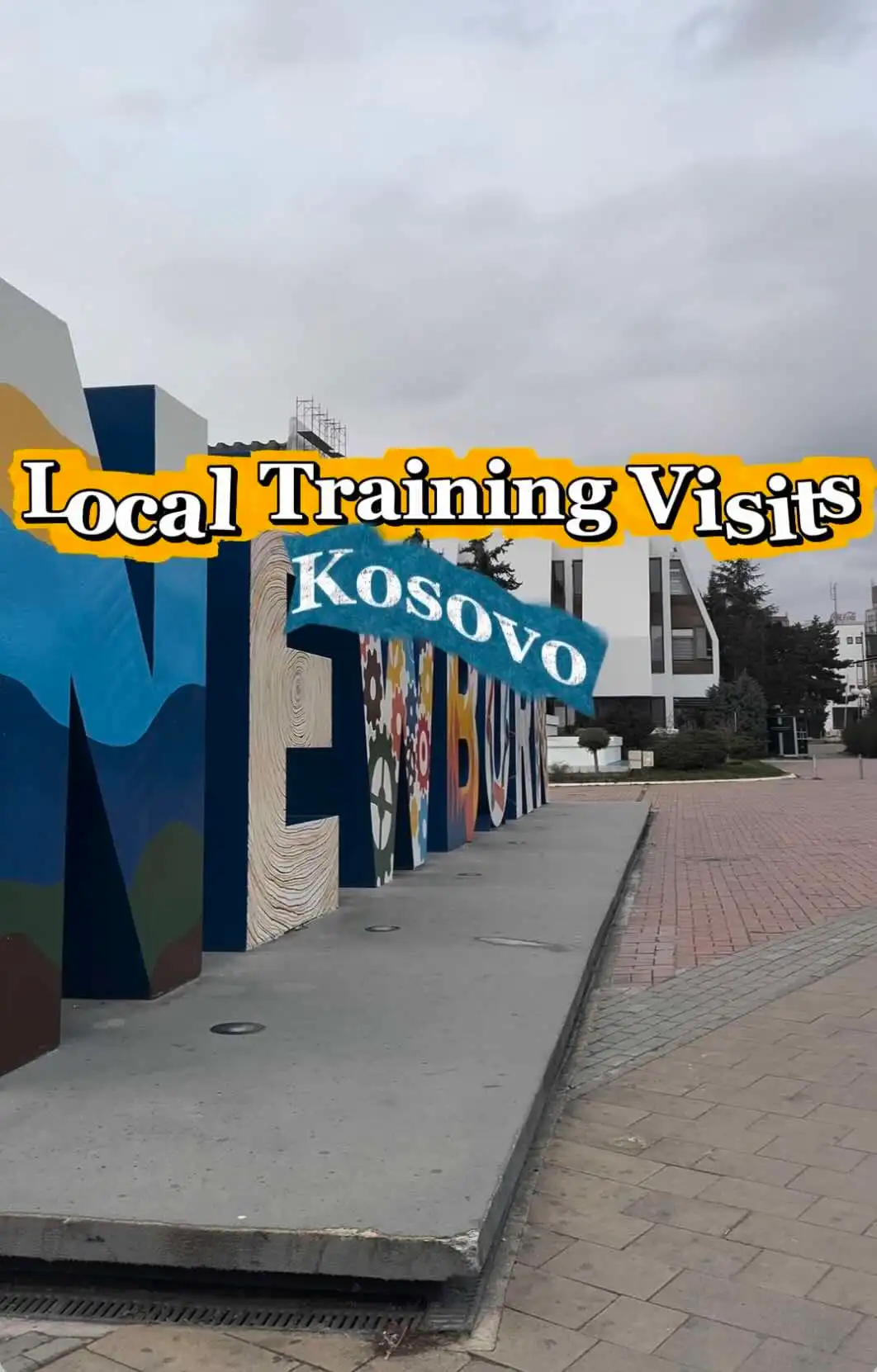
Building bridges across borders: CB4leisureYwD local training visit in Kosovo

Building bridges across borders: CB4leisureYwD local training visit in Kosovo

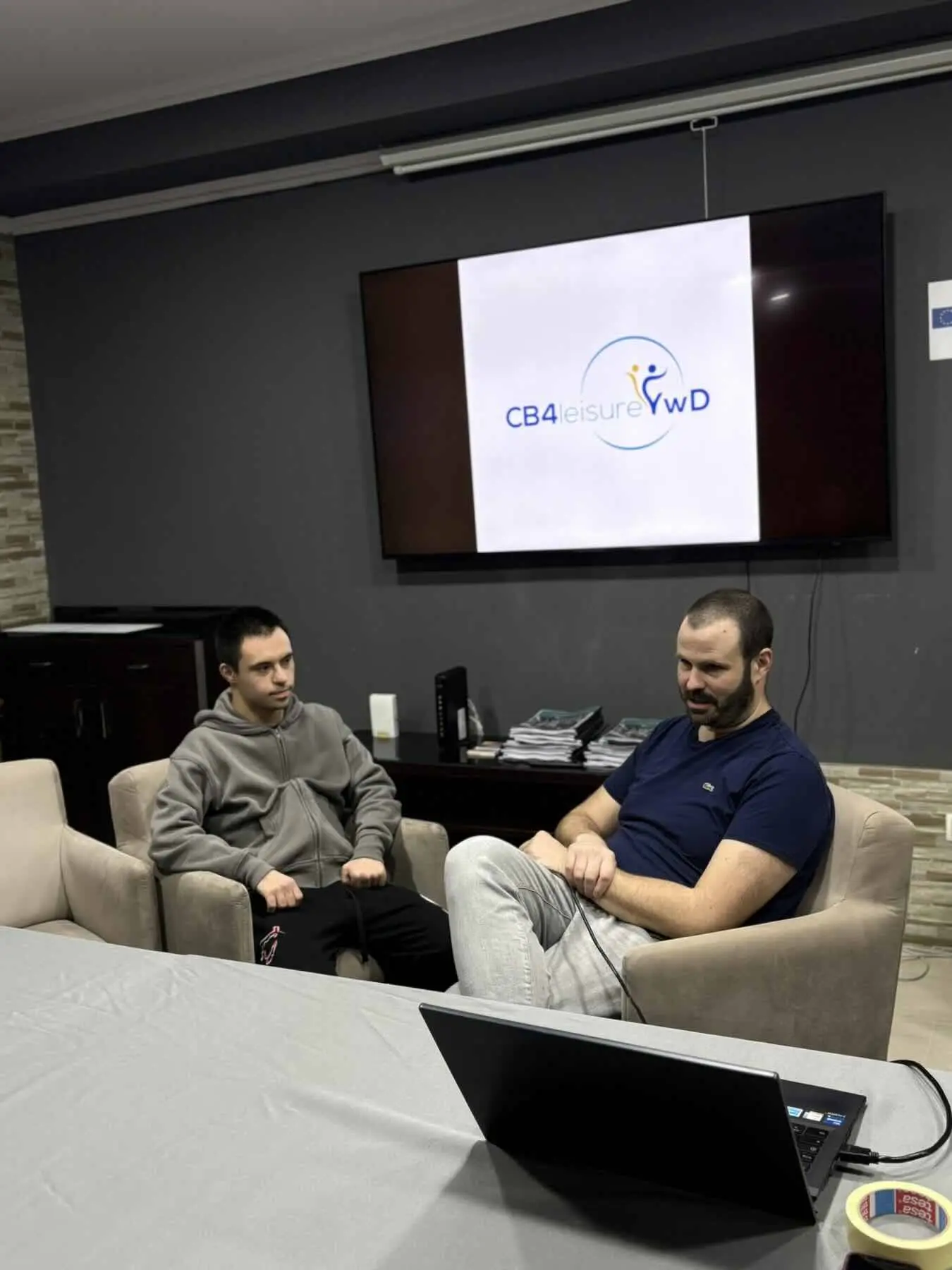
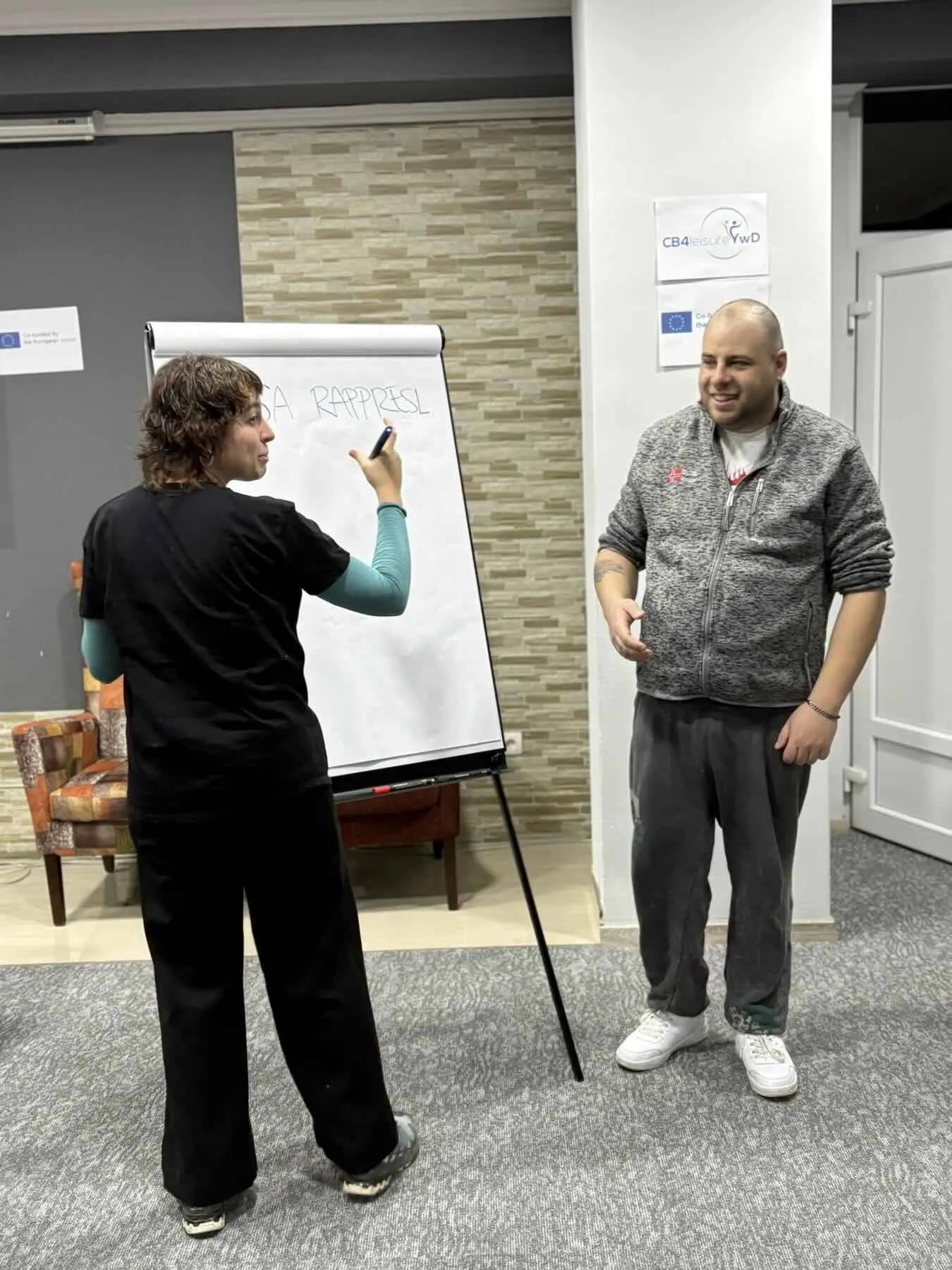
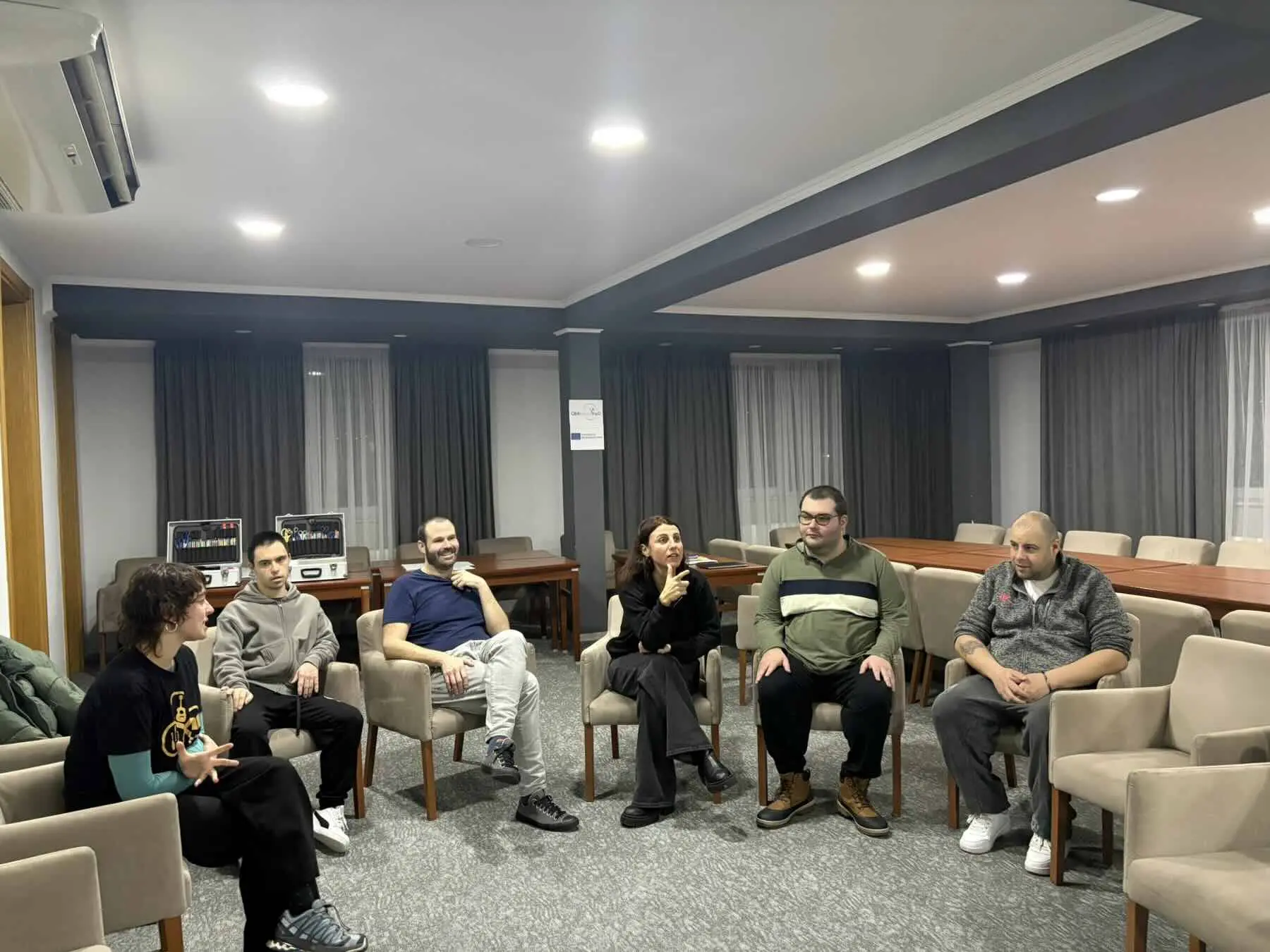
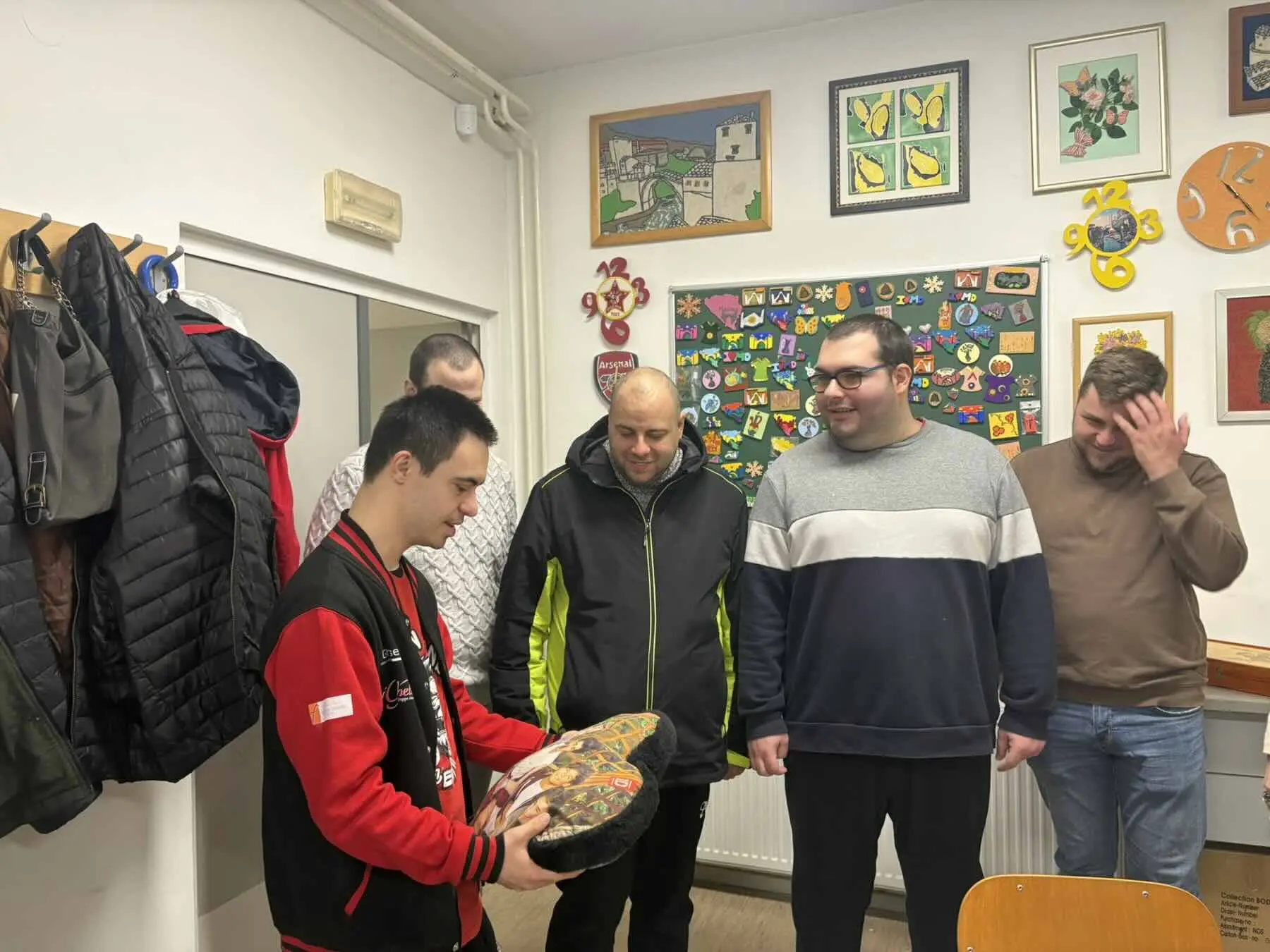
In the framework of the CB4leisureYwD project, partner organisations came together for a local training visit in Kosovo – a four-day exchange of knowledge, practice and perspectives that took the group from Pristina to Mitrovica, and into some of the most meaningful spaces of inclusive work in the country.

The visit was designed not as a study tour but as a genuine encounter – a chance for participants from different countries to engage directly with organisations, practitioners and individuals who are shaping inclusive practice in Kosovo, and to share their own experiences in return.


Pristina: conversations on accessibility and inclusion


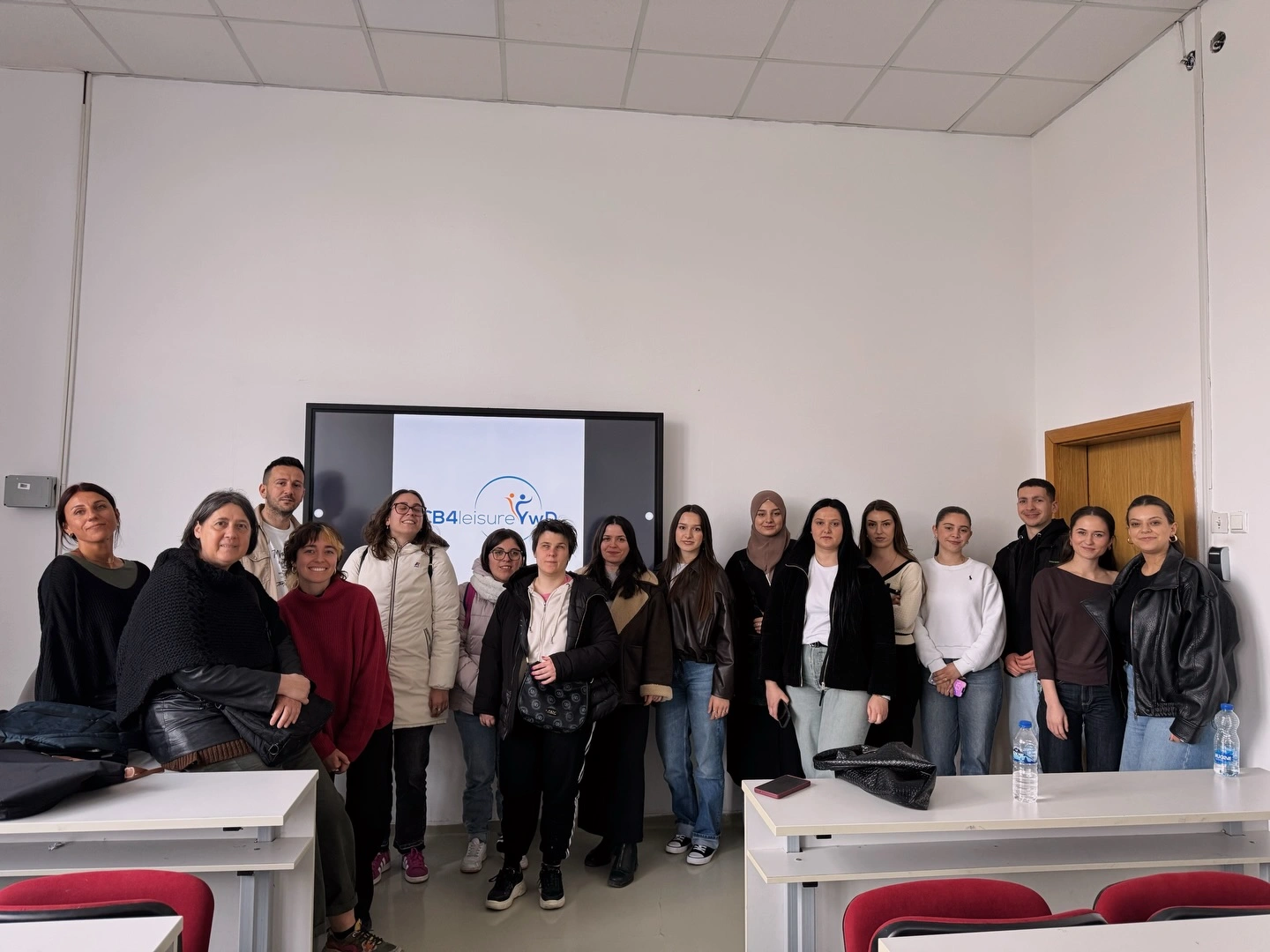
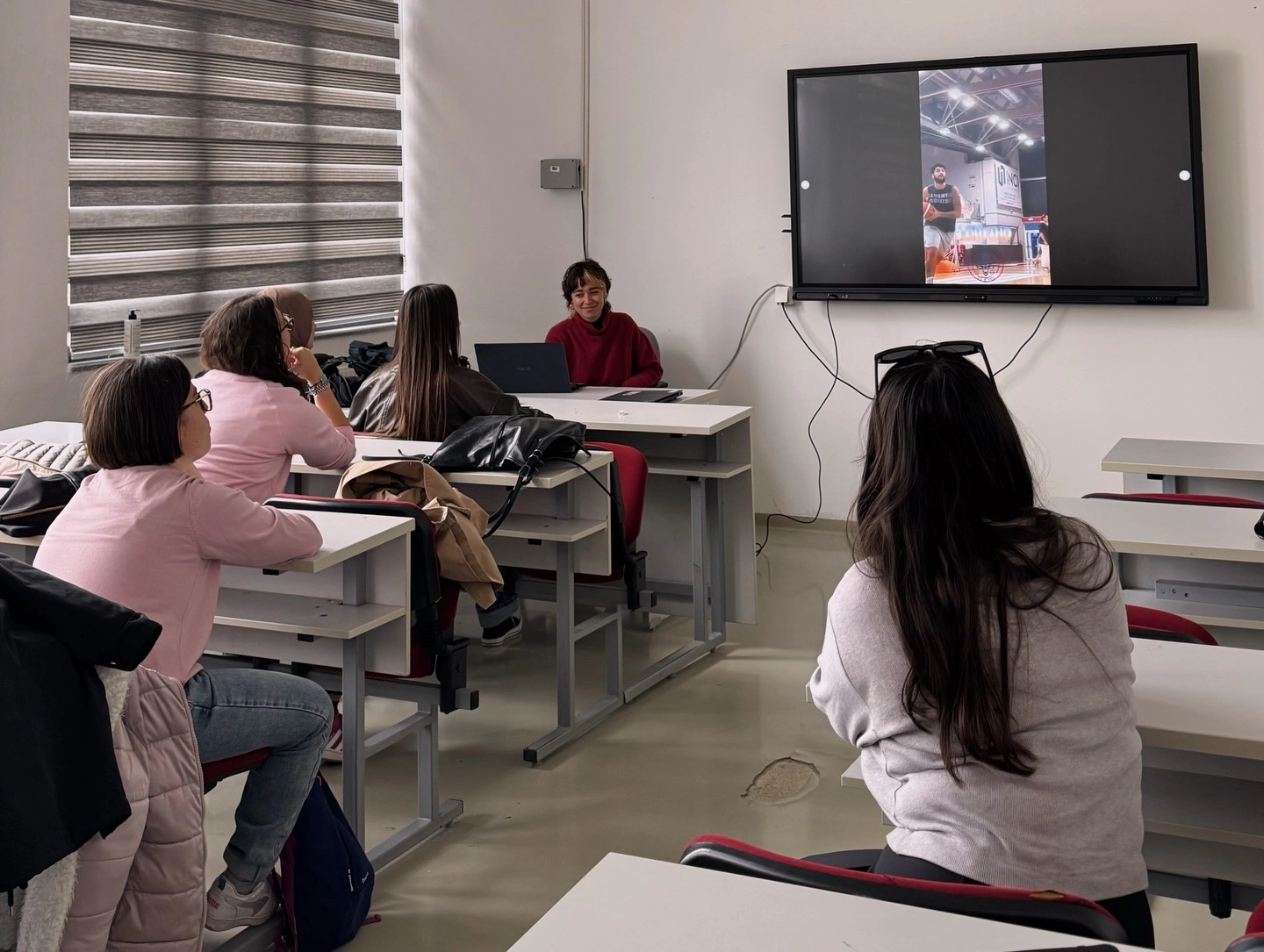
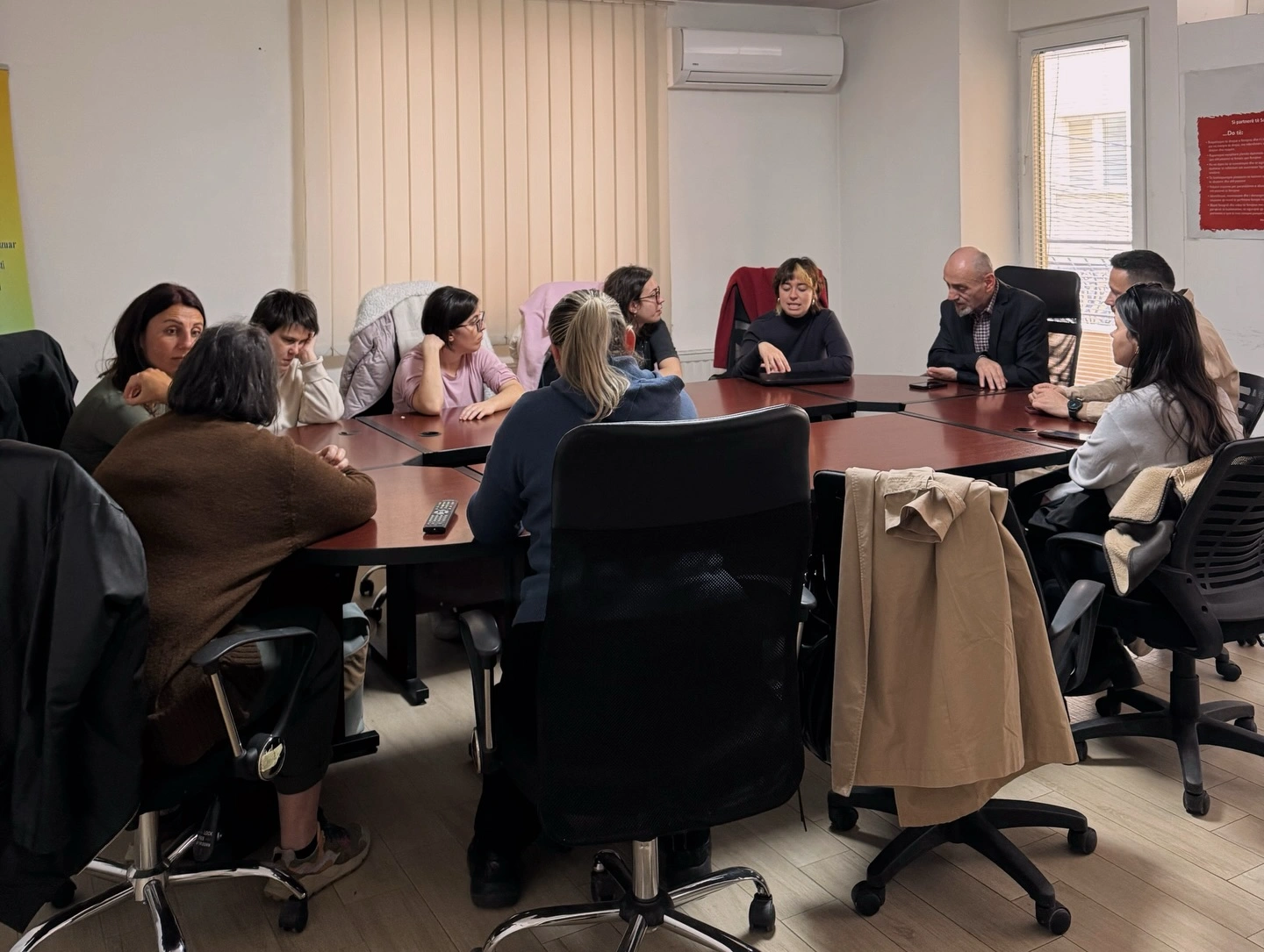
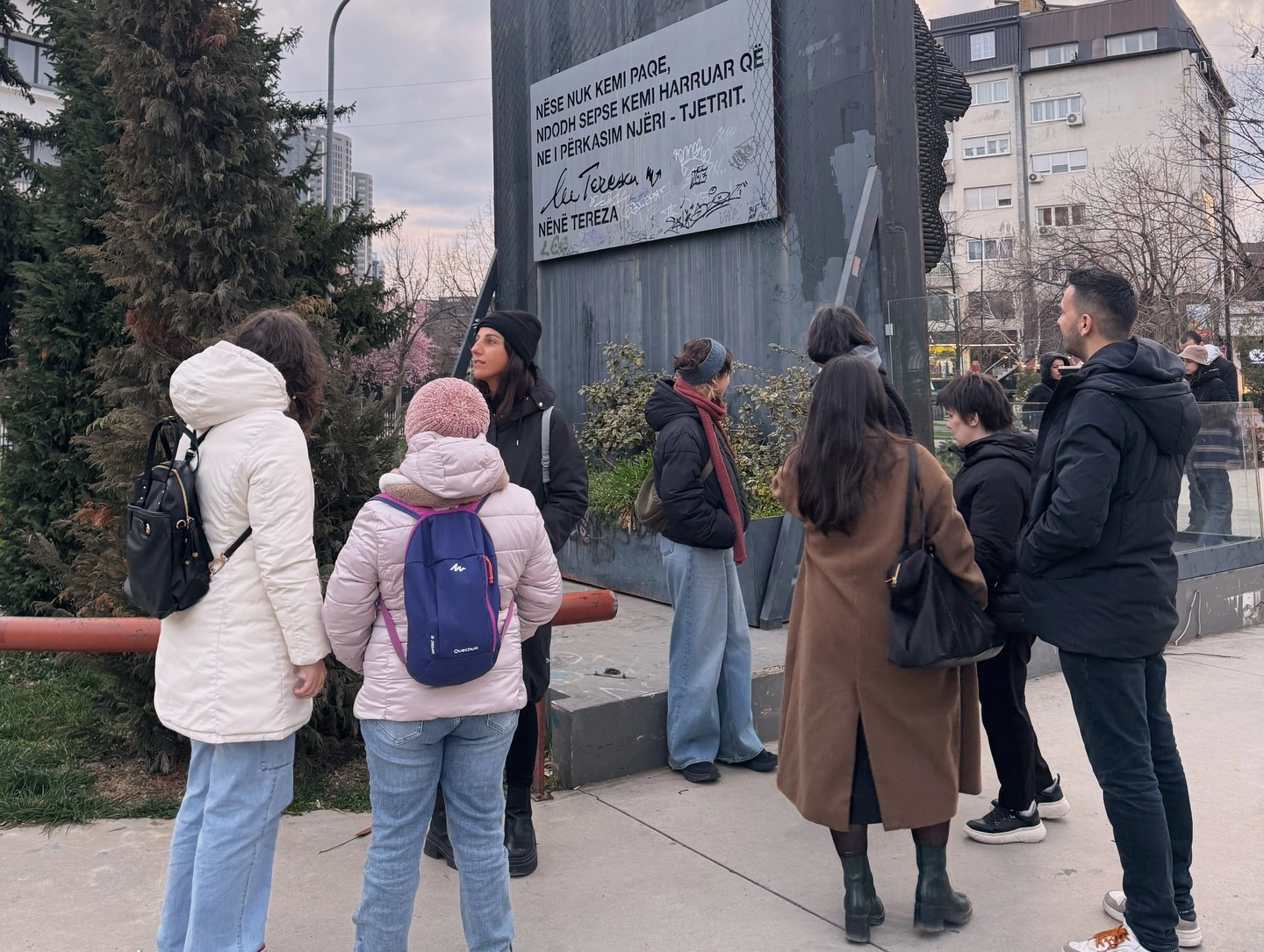
In Pristina, the group met with Team Rijad and visited the Kosovo Disability Forum, where they had the opportunity to speak with Executive Director Bujar Kadriu. The discussions ranged across themes of accessibility, rights and the structural conditions that shape the daily lives of people with disabilities in Kosovo. The group also spent time at the Faculty of Philosophy – Department of Social Work, where conversations with students brought a fresh and forward-looking perspective to the exchange: the next generation of social work professionals engaging directly with the realities and possibilities of inclusive practice.


Mitrovica: learning in action


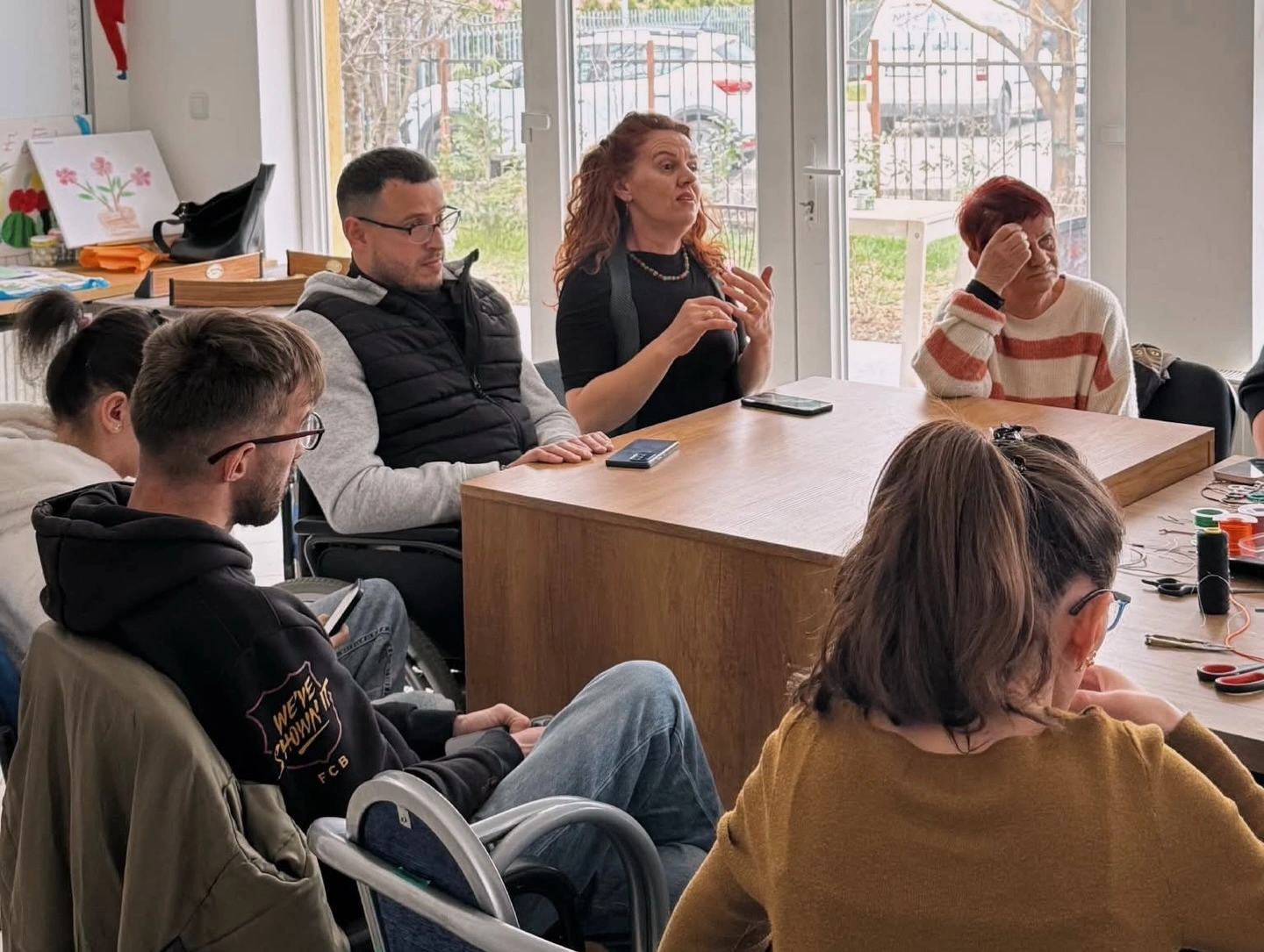
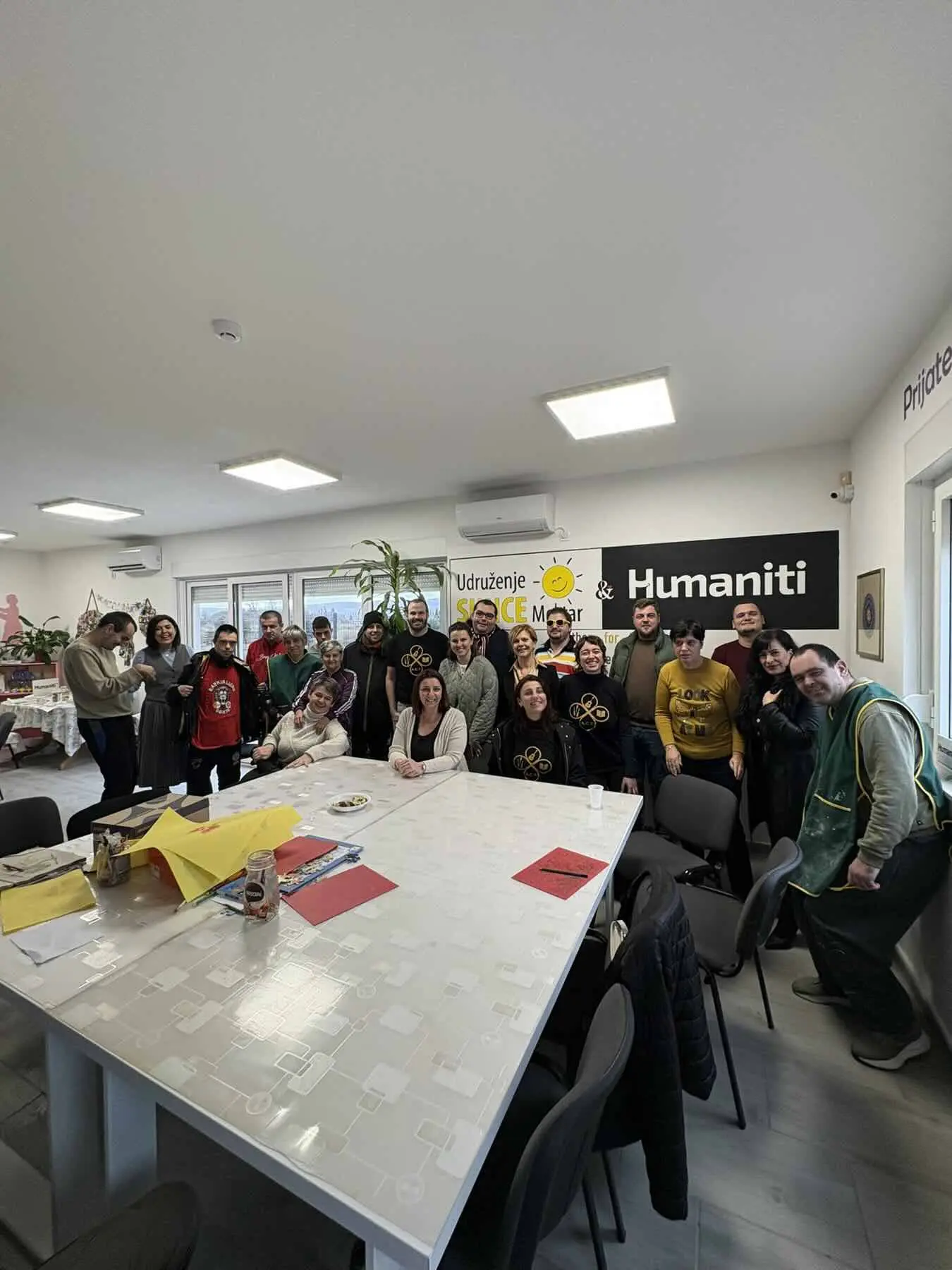
In Mitrovica, the visit took on a more hands-on character. At Down Syndrome Kosova and their café Bistro x21, the group learned about the organisation’s work and, in particular, about their approach to employment of people with Down syndrome – a powerful example of what genuine economic inclusion can look like in practice.


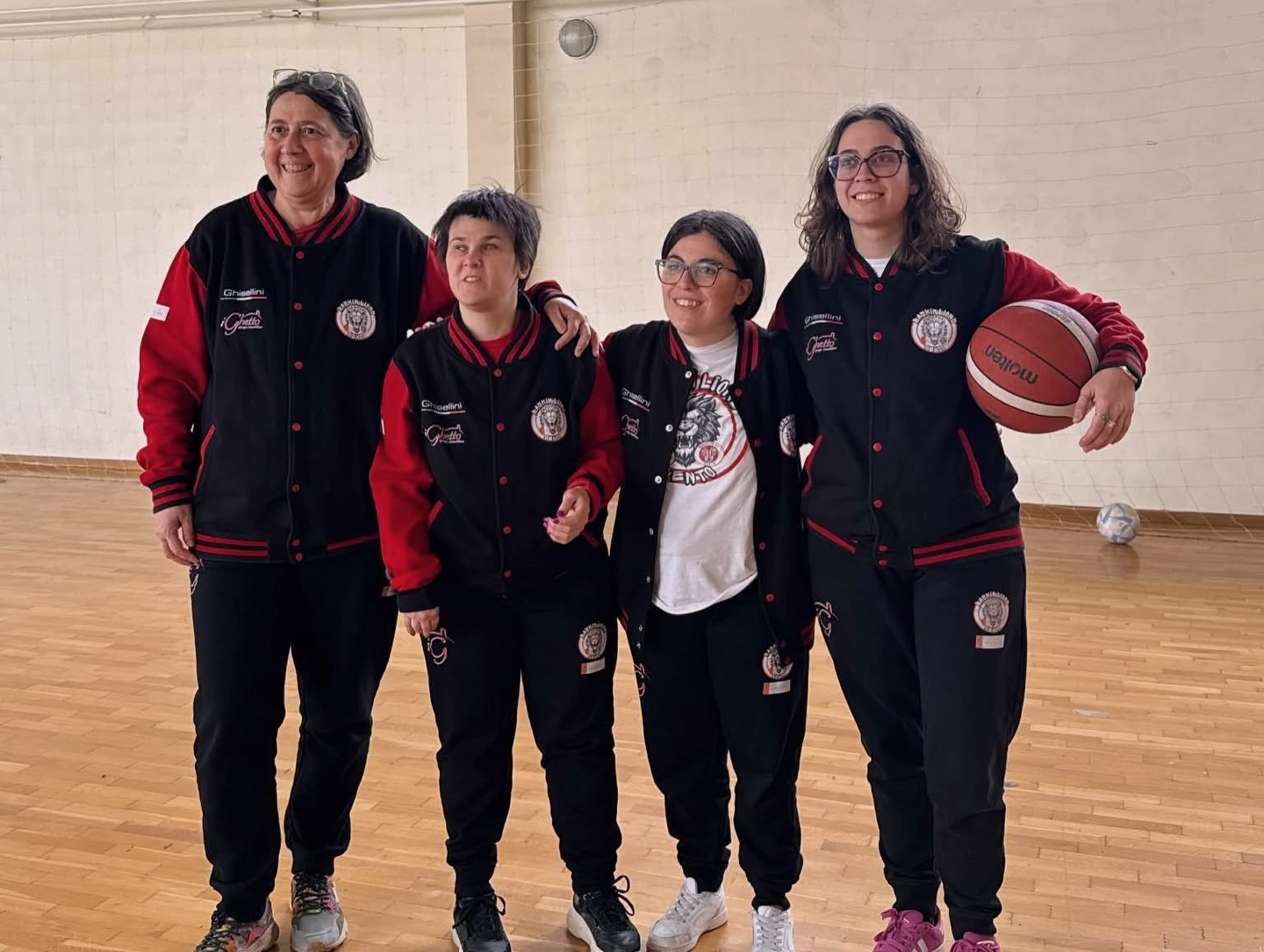
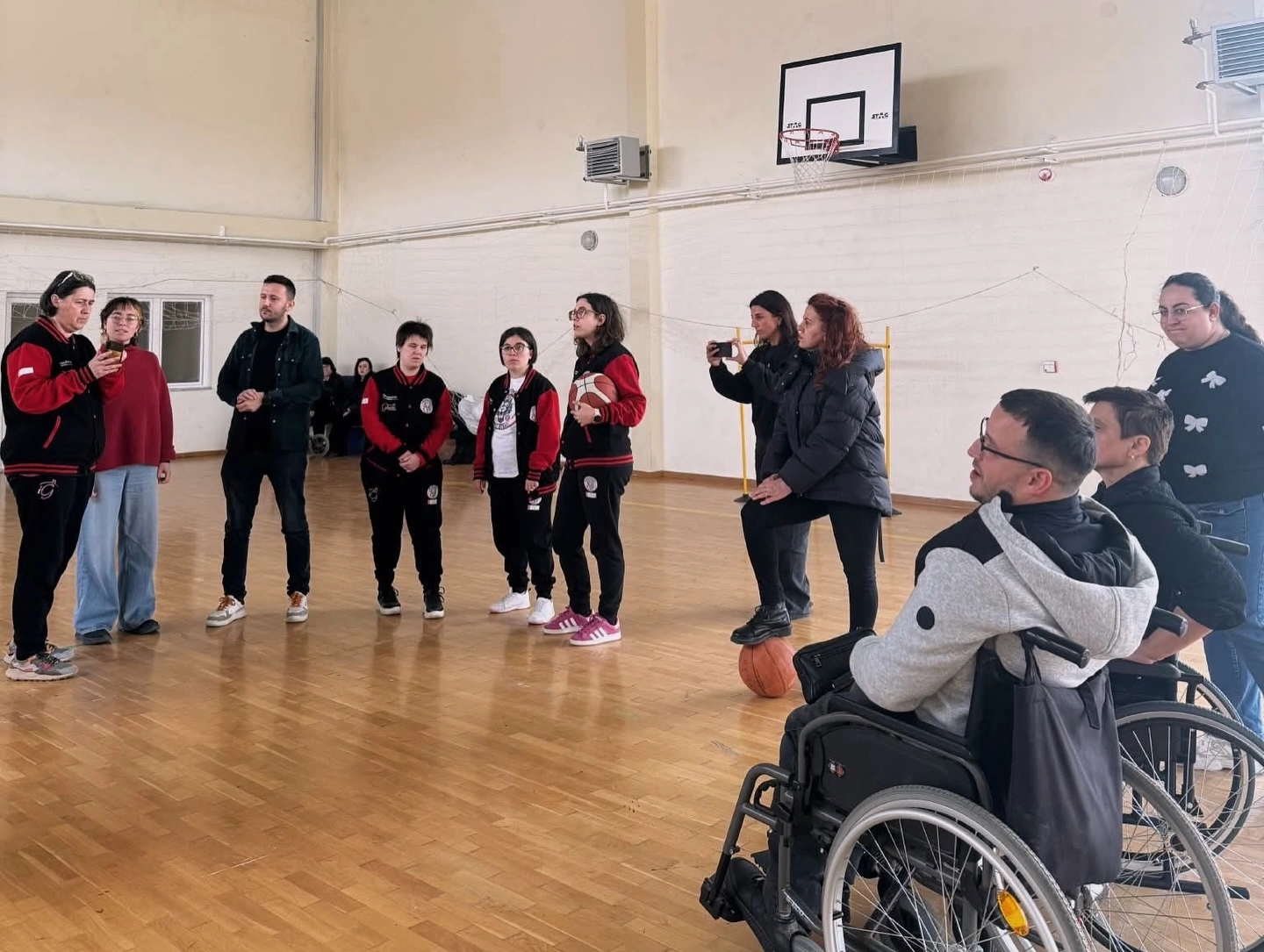
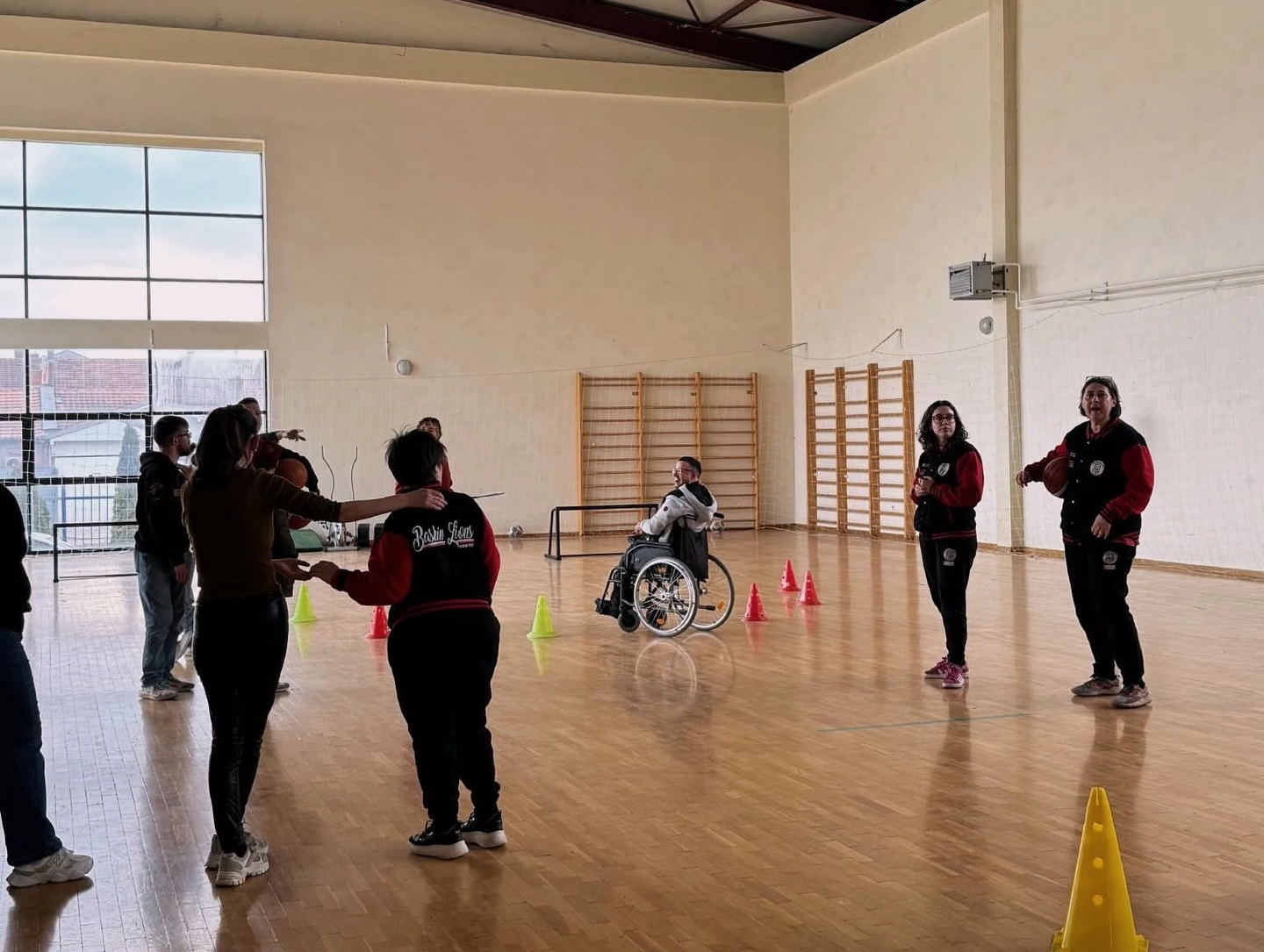
At the Së Bashku Center, discussions were complemented by something more active: a session of Baskin – adapted basketball designed for mixed groups of players with and without disabilities – facilitated by the Zanandrea team from Italy. Playing alongside the centre’s beneficiaries, participants experienced firsthand what inclusive sport can look and feel like when it is well-designed and well-run.


The group also met with representatives of the Kosovo Boccia Federation, who are actively working to expand access to boccia as both a competitive and recreational sport – promoting participation, accessibility and equal opportunities through a sport that is particularly well-suited to mixed-ability groups.


More than a visit


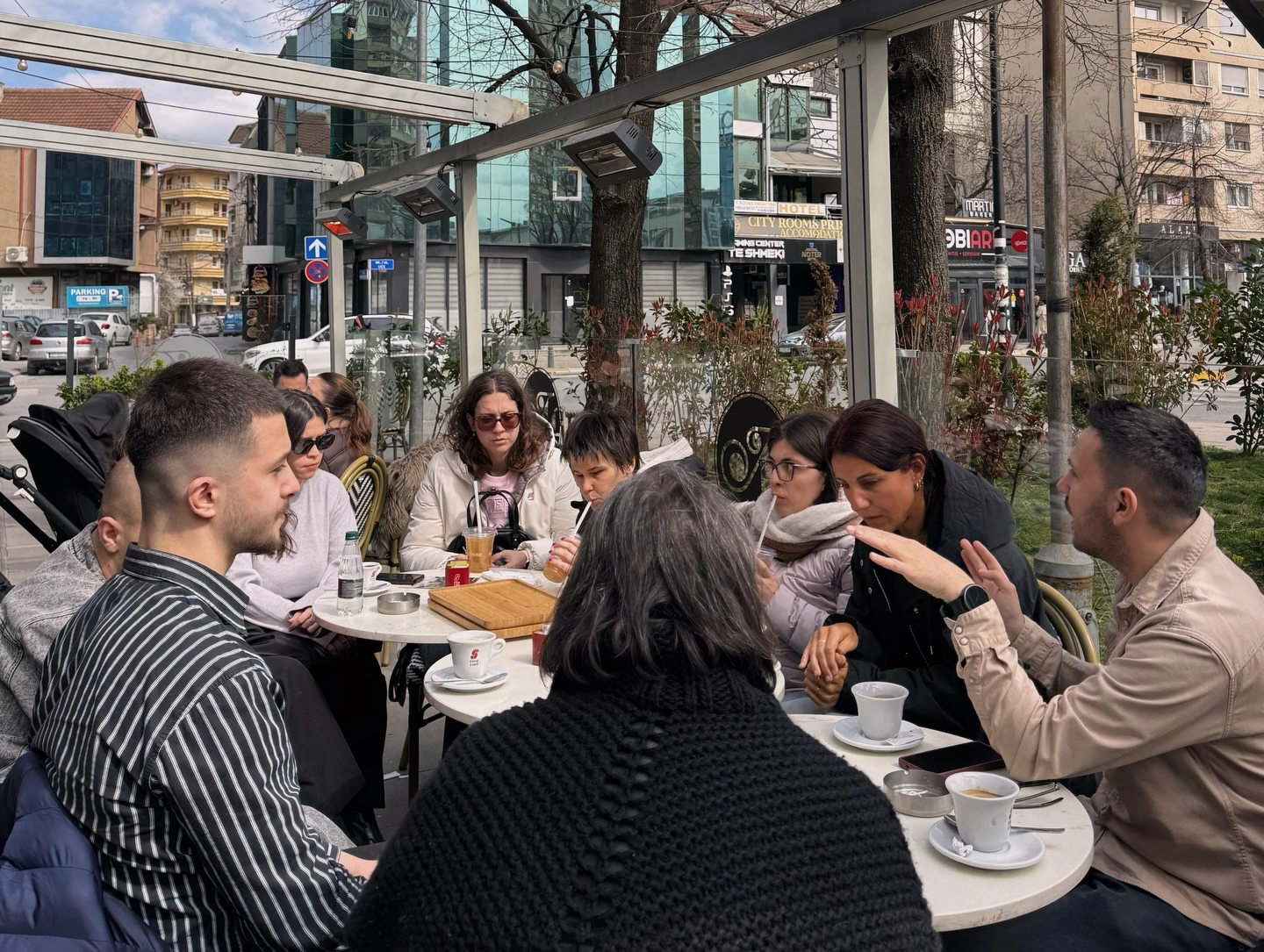
What made this training visit valuable was not any single meeting or activity, but the accumulation of encounters – with people, with organisations, with approaches to inclusion that are being developed and lived every day in Kosovo. The conversations that happened informally, between sessions and over meals, were as important as the formal programme.


These visits are one of the ways CB4leisureYwD turns its objectives into lived experience. Youth workers and educators do not only learn about inclusion from manuals and online courses – they learn it by being in rooms with people who are doing it, by asking questions, by trying things out, and by bringing what they have seen and felt back to their own communities and contexts.


The bridges built during these days in Kosovo will outlast the visit itself.

Local training visit in Kosovo

Local training visit in Kosovo

This video documents an international exchange experience in Pristina and Mitrovica, carried out within the framework of the CB4LeisureYWD project.
It captures moments of dialogue and learning through meetings with local organizations and institutions working in the field of disability, inclusion, and accessibility.
The video shows shared activities such as practicing Baskin together with local participants, highlighting adaptive sports as a common language.


It also presents visits to inclusive work environments, including a bar involving people with disabilities, allowing for direct comparison with similar experiences developed in Italy.
Inclusion is presented as mutual exchange and learning, showing how real connections and best practices emerge through cooperation across different national contexts.

Local training visit in Bosnia and Herzegovina

Local training visit in Bosnia and Herzegovina

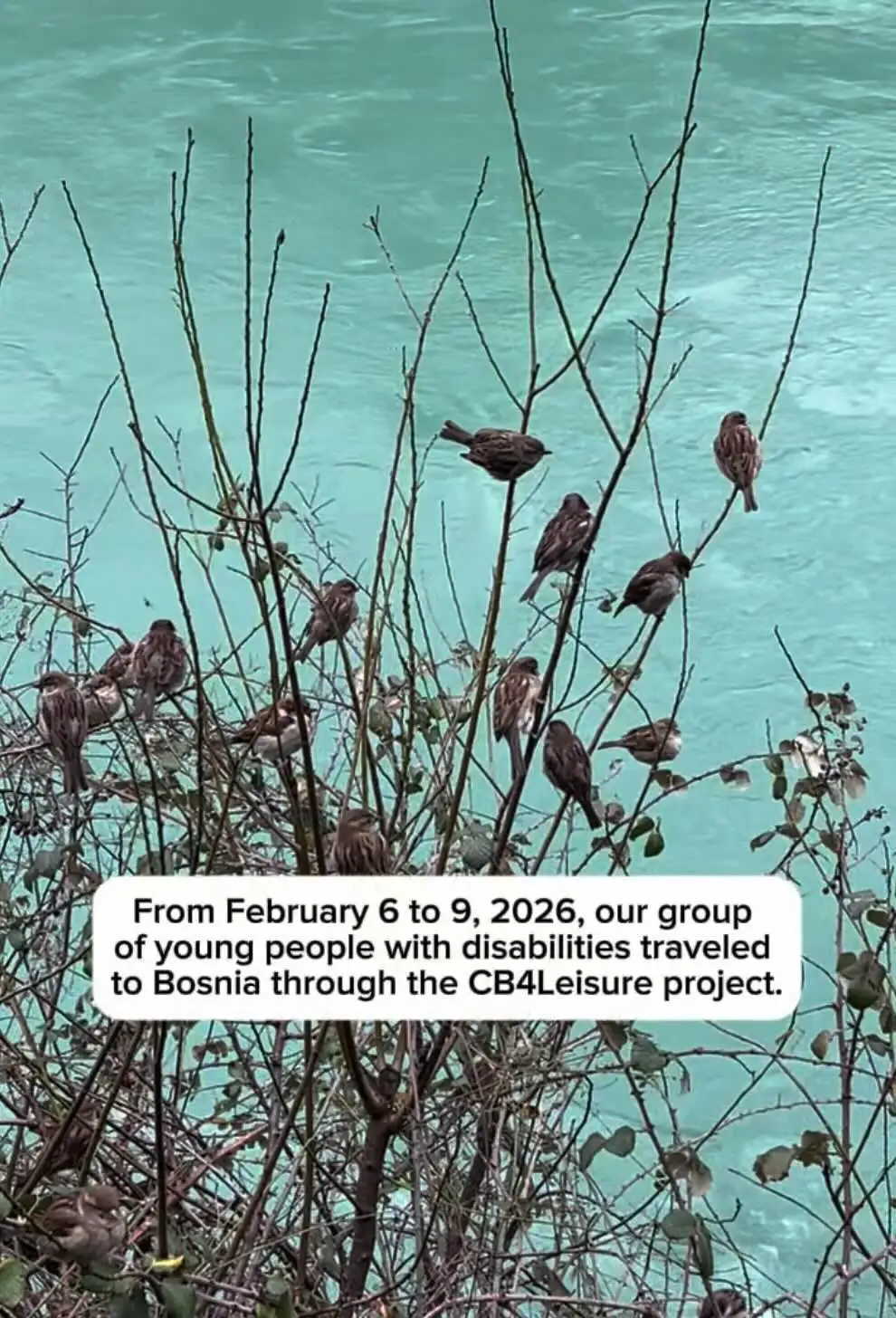
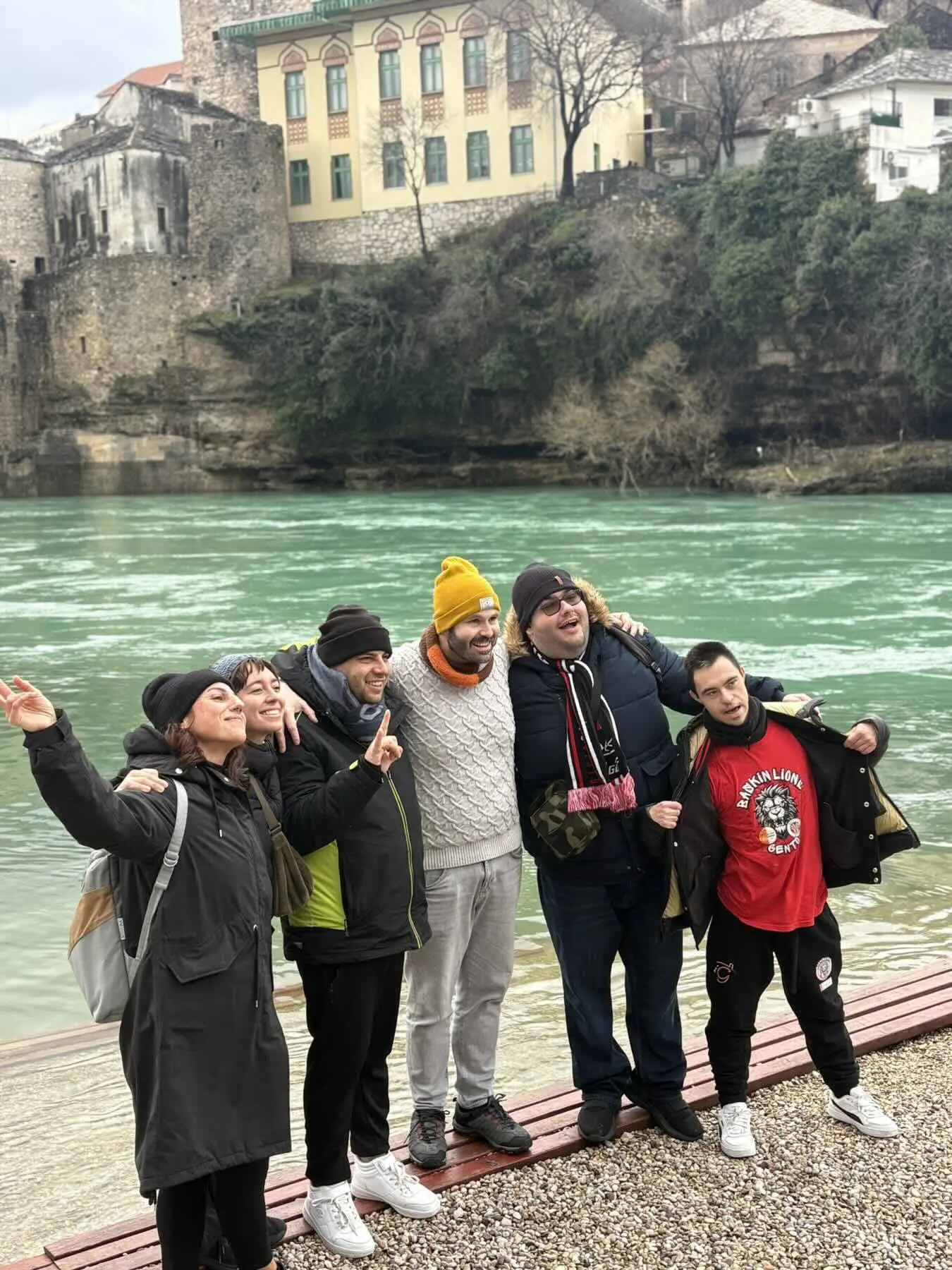
The video documents a transnational mobility experience within the CB4Leisure project, involving a group of young people with disabilities travelling from Italy to Bosnia in February 2026.
It shows their visit to the cities of Mostar and Sarajevo, meetings with local young people with disabilities, and moments of exchange, dialogue, and shared activities.


The main protagonists are young people with disabilities, accompanied by youth workers, interacting in an international and inclusive context.


The video highlights participation, autonomy, and inclusion by showing young participants actively sharing their experiences, exploring new environments, and building relationships across borders.


Inclusion is presented as a lived experience, where disability is not a barrier to learning, friendship, mobility, or cultural exchange.

Bordo Vasca: Inclusive Bar and Work Experience

Bordo Vasca: Inclusive Bar and Work Experience

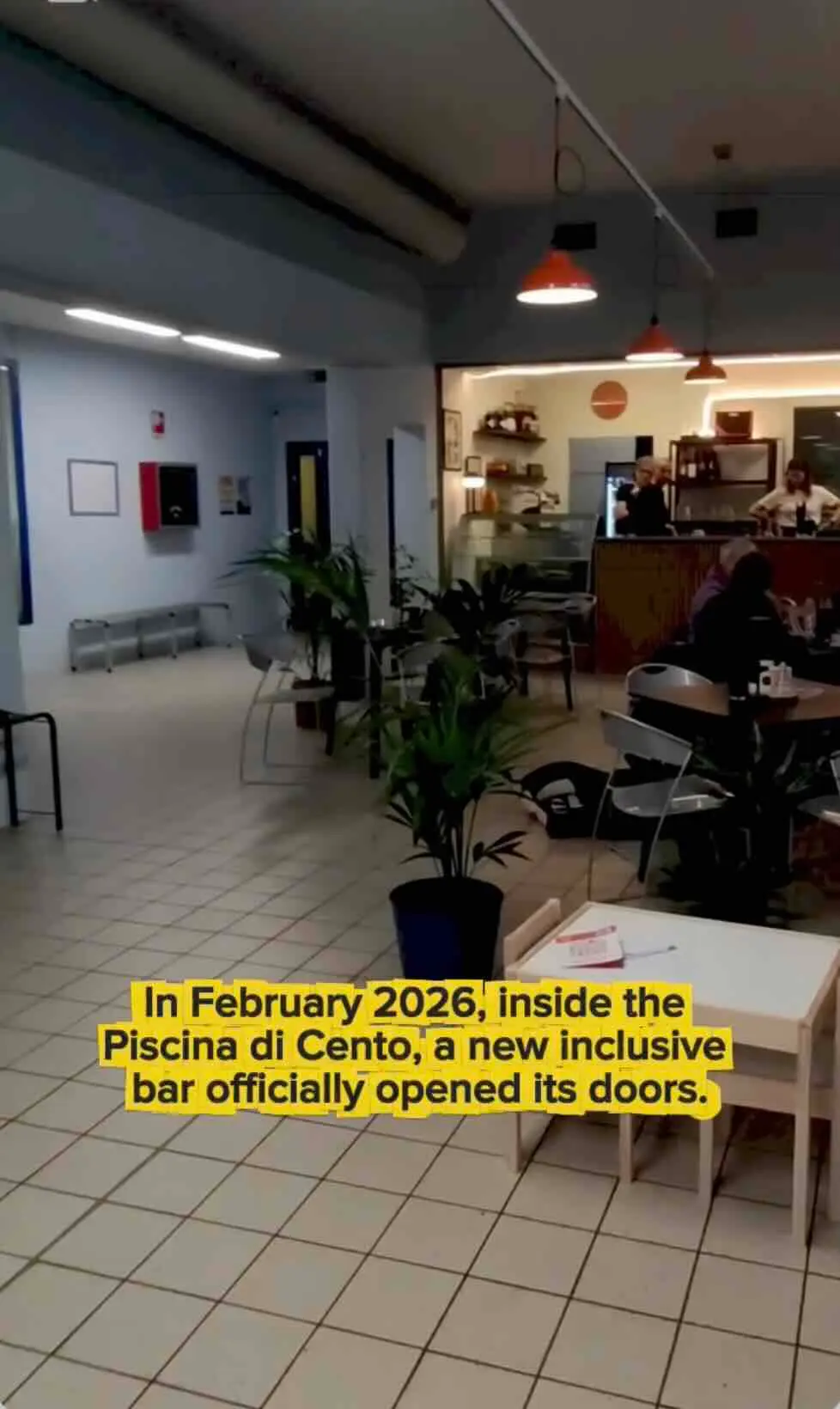
This video presents Bordo Vasca, an inclusive bar opened inside the Piscina di Cento in February 2026 and developed within the principles of the CB4Leisure project.
It shows young people with disabilities actively involved in daily work activities, interacting with customers and managing responsibilities.


The video highlights inclusive work pathways as tools to enhance autonomy, skills, and self‑confidence.
Bordo Vasca is presented as an everyday environment where inclusion becomes concrete through employment and social interaction.


Inclusion is shown as a practical and sustainable process embedded in daily life and community spaces.describe the video in 4-6 sentences: main topic, specific example/situation presented, key aspect addressed (such as inclusion, participation, accessibility, positive practice…).

Local training visit in Bosnia – Interview with Marco

Local training visit in Bosnia – Interview with Marco

This video focuses on an interview with Marco, a young participant who shares his experiences of inclusive activities developed by the Fondazione Zanandrea.


He explains what Baskin is — inclusive basketball — and why it is important to him, emphasizing friendship, teamwork, and social connection.


Marco also talks about his involvement in La Compagnia della Criniera, an inclusive theatre company where young people perform together.


Through simple and spontaneous answers, the video highlights how sport and theatre foster participation, enjoyment, and belonging.


Inclusion is presented as being together, having fun, and building relationships through accessible cultural and leisure activities.

Local training visit in Bosnia – Interview with Mirko

Local training visit in Bosnia – Interview with Mirko

This video features an interview with Mirko, a young person with disabilities who took part in an international mobility experience in Bosnia within the CB4Leisure project in February 2026.


For Mirko, this was his first trip abroad and his first time traveling by plane, marking an important step toward autonomy and independence.


In the interview, he talks about meeting other young people attending a socio-occupational center similar to the one he attends in Italy.


He describes shared moments of play, dialogue, and exchange, as well as explaining inclusive activities such as Baskin and theatre.


Inclusion is presented through Mirko’s emotions and experiences, highlighting joy, participation, and the value of meeting peers “like him” in a new cultural context.

Local training visit in Bosnia – Interview with Davide

Local training visit in Bosnia – Interview with Davide

This video presents the interview with Davide, one of the three young participants in the CB4Leisure mobility experience in Bosnia.


Davide reflects on meeting many young people with disabilities during the exchange and explains how he presented the Freed‑Home project to them.


He describes Freed‑Home as a meaningful experience of independent living, highlighting that it was the first time he experienced living independently with his peers, away from his parents.


The video shows how Davide communicates his personal growth, responsibilities, and activities carried out in the apartment, such as the social media workshop.


Inclusion is presented as empowerment and self-expression, showing young people as active narrators of their own experiences and paths toward autonomy.

Strengthening inclusion in practice: Local training visit in Mostar

Strengthening inclusion in practice: Local training visit in Mostar

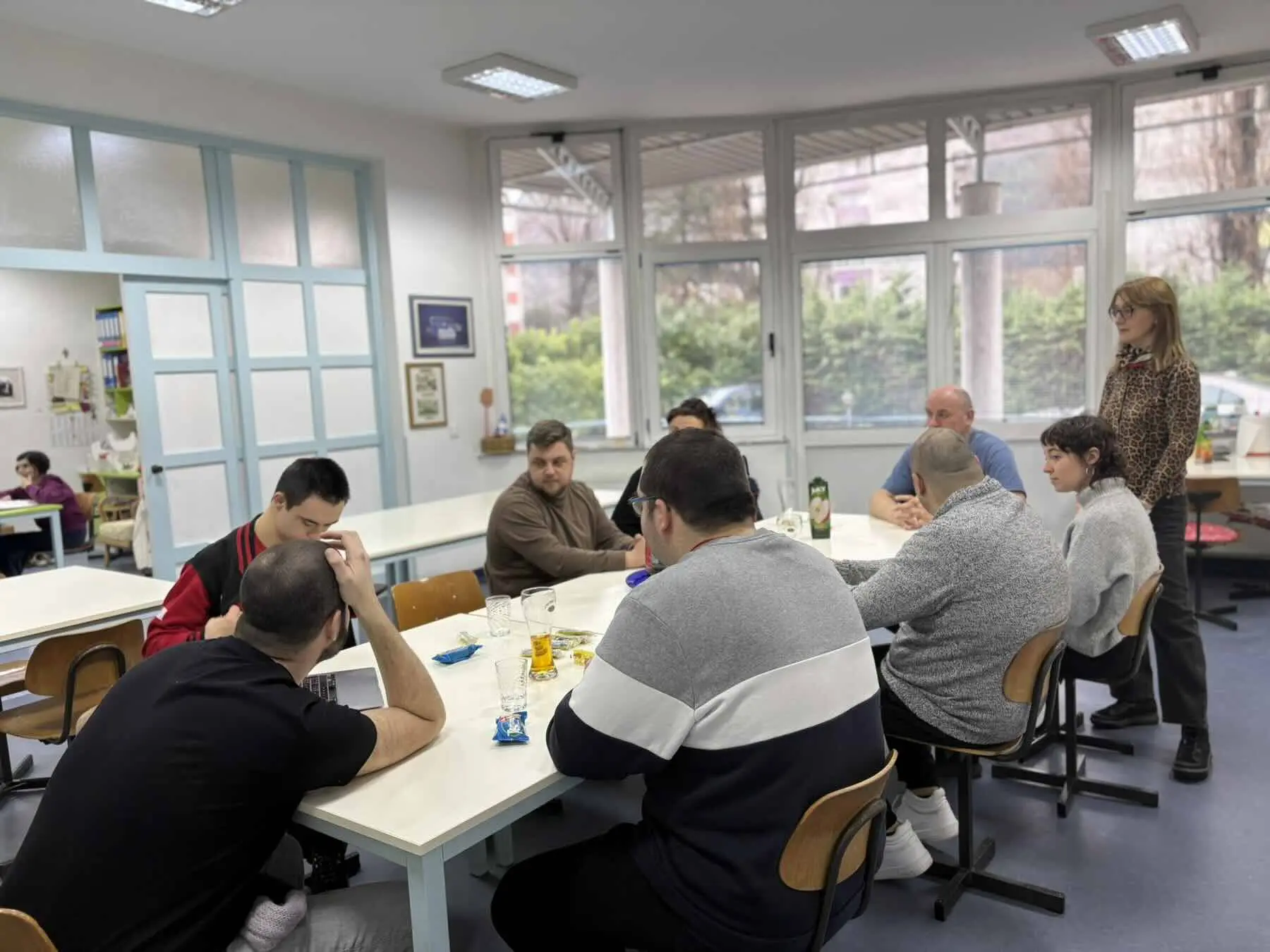
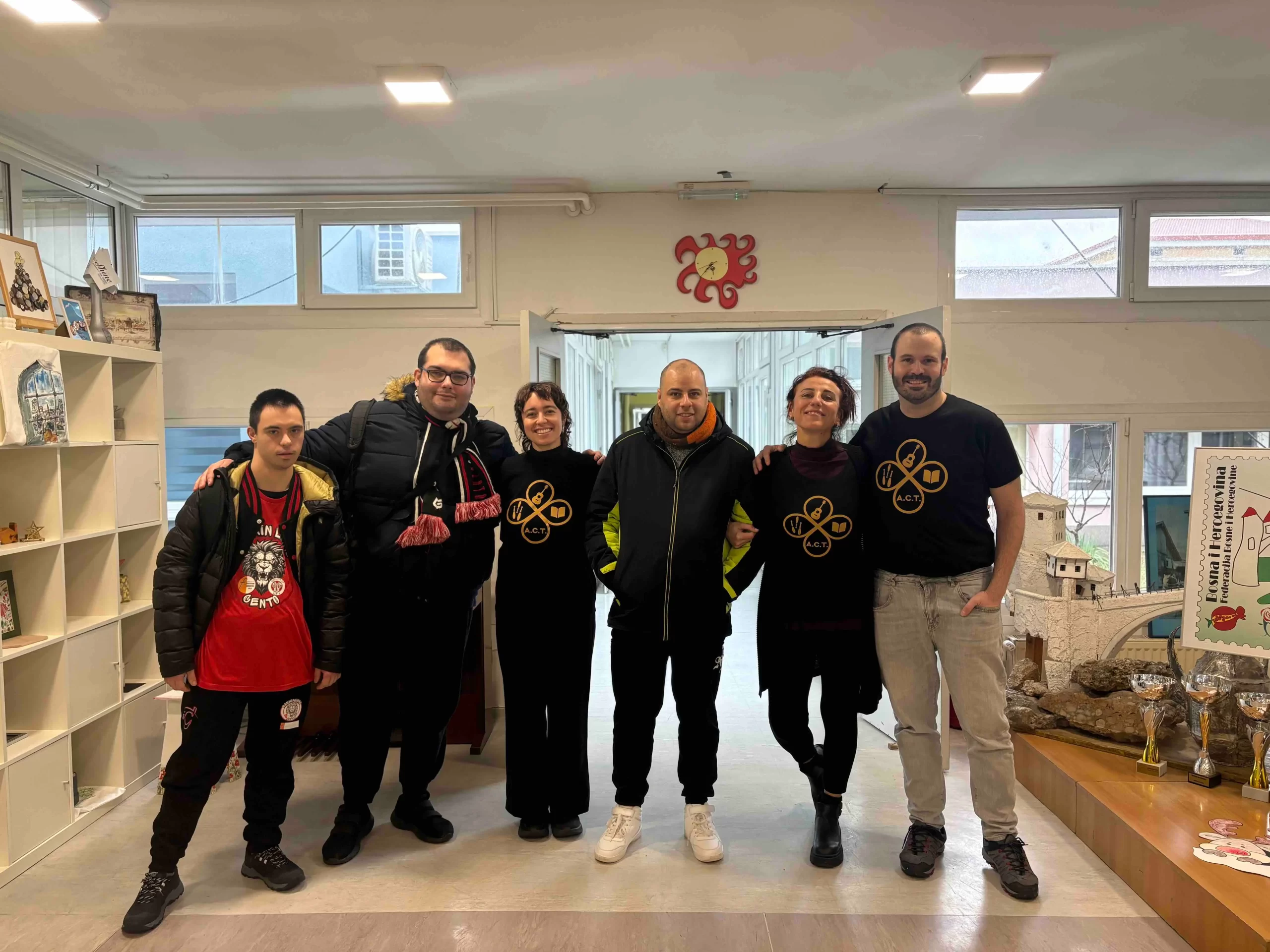
From the 5th to the 9th of February 2026, project partners gathered in Mostar, Bosnia and Herzegovina, for one of the two planned local training visits aimed at strengthening capacities for inclusive youth work and advocacy in the Western Balkans. The visit brought together representatives of BtB, SPIN, Zanandrea, and AMUSE, alongside young people with disabilities, their assistants, and experienced experts from partner organisations.


Building skills for inclusive local action


The primary goal of the local training visits is to empower organisations in the Western Balkans to design and implement meaningful workshops and advocacy initiatives that promote the inclusion of young people with disabilities (YWDs).

During the Mostar visit, project partners shared their long-standing experience in inclusive youth work, disability support, and community-based advocacy. Through interactive learning sessions, discussions, and peer exchange, participants explored:

  • practical methods for organising inclusive workshops
  • ways to ensure active participation of young people with disabilities
  • approaches to advocacy at the local and community level
  • examples of successful daily practices from partner organisations


Each working day included four hours of adapted educational activities, carefully structured to match the pace and needs of participants with disabilities. This ensured meaningful engagement, accessibility, and equal participation for everyone involved.


Learning from local organisations and communities


Beyond the educational sessions, the programme placed strong emphasis on connecting with local realities. Participants visited organisations in Mostar that actively work on empowering young people with disabilities and promoting social inclusion. These visits created space for:

  • sharing project materials and developed resources
  • presenting good practices from different countries
  • exchanging experiences with local civil society actors
  • building new partnerships for future cooperation


Such encounters are essential for ensuring that project results reach beyond the consortium and contribute to long-term change at the community level.


Inclusive participation at the heart of the visit


A defining feature of the training visit was the direct involvement of young people with disabilities. Each activity hosted a diverse group that included experts,  young participants with disabilities, personal assistants supporting their participation and representatives of host organisations. This structure ensured that inclusion was not only discussed as a concept but experienced in practice, reinforcing the project’s commitment to accessibility, empowerment, and equal opportunities.


Alongside learning and networking activities, partners also used the Mostar visit as an opportunity for internal coordination and reflection. Dedicated sessions allowed organisations to:

  • review project implementation progress so far
  • discuss upcoming activities, events, and outputs
  • align responsibilities and timelines
  • strengthen collaboration within the partnership


The local training visit in Mostar marked an important step toward stronger inclusive youth work ecosystems in the region. By combining capacity building, real-life community engagement, and participatory reflection, the visit demonstrated how international cooperation can translate into practical local impact.


A second local training visit will take place in Mitrovica, Kosovo, continuing the joint effort to empower organisations, support young people with disabilities, and promote inclusive participation across the Western Balkans. Through these activities, the partnership moves closer to its shared vision: communities where young people with disabilities are fully included, heard, and empowered to shape their own futures.

Diversamente artisti: Inclusive Art Workshop

Diversamente artisti: Inclusive Art Workshop

This video presents Diversamente Artisti, an inclusive art workshop developed at the daily center of the Don Giovanni Zanandrea Foundation and shared within the CB4Leisure project.


It shows people with disabilities and youth workers painting side by side, exchanging ideas and expressing their creativity in a collaborative environment.


The video highlights the creation process as well as the presentation of the artworks during a charity auction at the local fair in Cento, where the artists actively take the stage.


Participants appear not only as creators, but also as protagonists, presenting their work to the community.


Inclusion is presented as active participation and empowerment, showing how art can build confidence, visibility, and meaningful connections with the wider community.