Adapting spaces, adapting minds: What inclusive facility management really means

Adapting spaces, adapting minds: What inclusive facility management really means

When people hear the phrase ‘inclusive sport facility’, they tend to think first of physical adaptations: ramps, accessible bathrooms, wider doorways, adapted equipment. These things matter enormously, and their absence is a genuine barrier for many people with disabilities. But if the conversation stops there, it misses the larger part of what inclusive facility management actually involves.


A space can be physically accessible and still feel unwelcoming. A programme can be technically open to everyone and still, in practice, serve only some. The physical environment is one dimension of inclusion – and an important one – but it is not the only one, and perhaps not even the most decisive one.


What makes a sport or leisure facility genuinely inclusive is the combination of physical accessibility, adapted programming, trained and confident staff, clear and accessible communication, a culture of welcome, and the active involvement of people with disabilities in shaping how the space is used and managed. Each of these elements reinforces the others. Remove any one of them and the overall experience of inclusion is diminished.


This is why capacity building for the management of inclusive sport facilities – one of the central focuses of CB4leisureYwD – goes well beyond a checklist of physical modifications. It covers the legal frameworks that protect the rights of people with disabilities. It addresses how programmes can be designed and adapted for mixed groups. It looks at staff training and development, inclusive communication strategies, partnership with disability organisations, and the mechanisms for ongoing monitoring and improvement.


Crucially, it also addresses the empowerment of young people with disabilities themselves to take on active roles in coordinating and managing these spaces. Inclusion is not only about being welcomed into a space – it is about having a meaningful say in how that space operates.


The goal is not to create a perfect blueprint that every organisation follows in exactly the same way. Contexts differ too much for that to be useful. The goal is to give organisations and individuals the knowledge, frameworks and practical tools to make thoughtful decisions in their own specific situation – and to keep improving as they go.
Building bridges across borders: CB4leisureYwD local training visit in Kosovo

Building bridges across borders: CB4leisureYwD local training visit in Kosovo

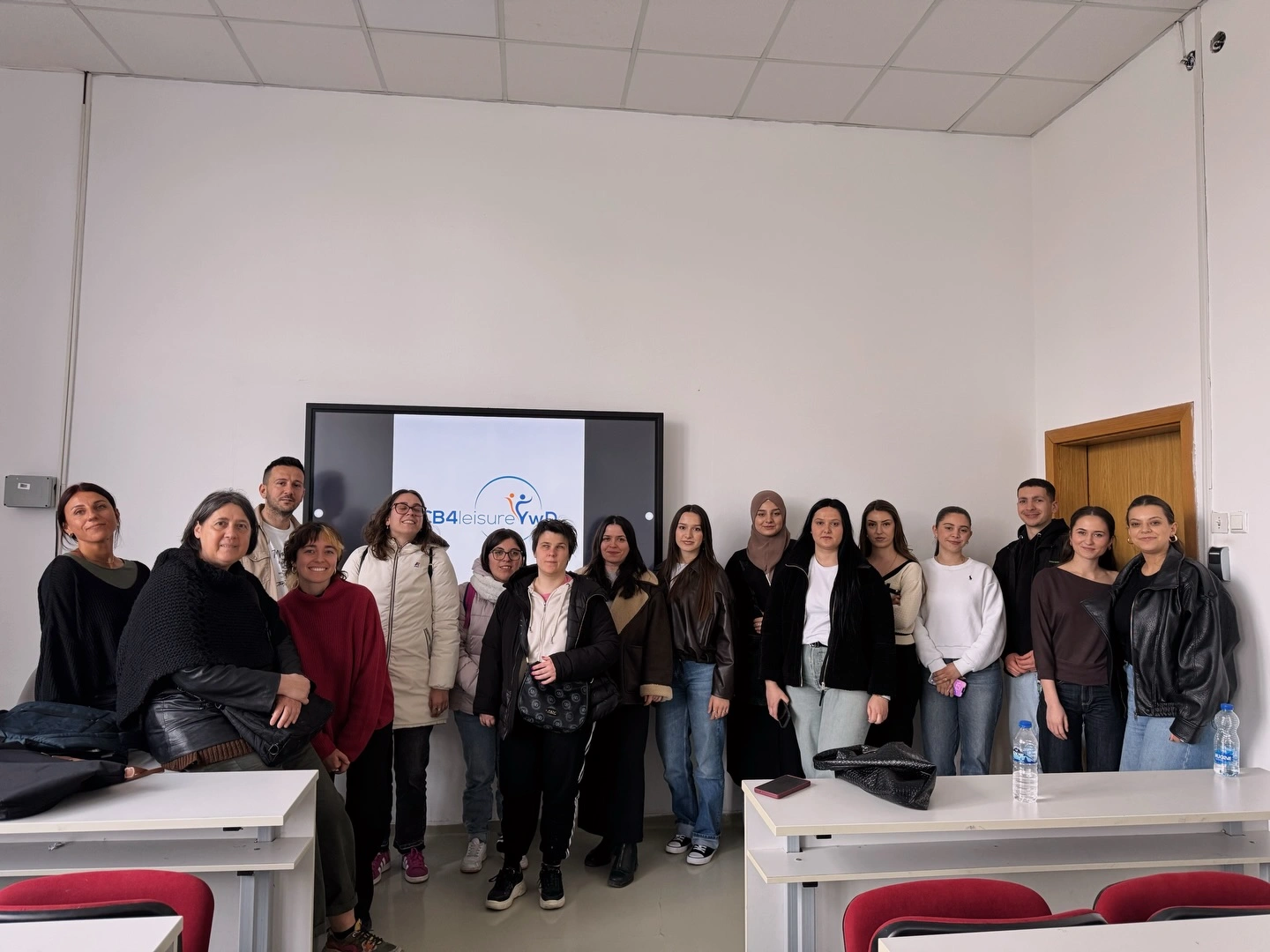
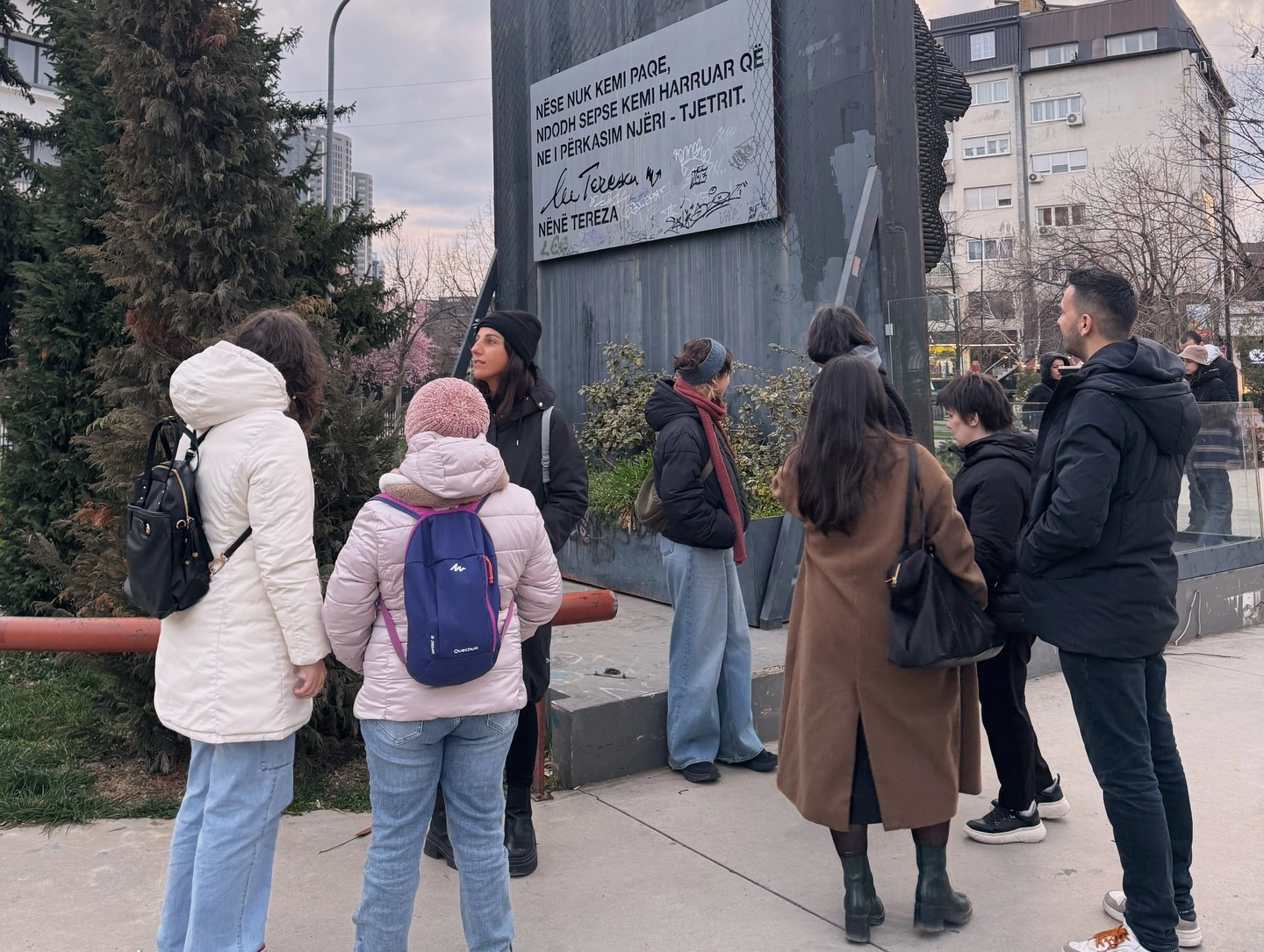
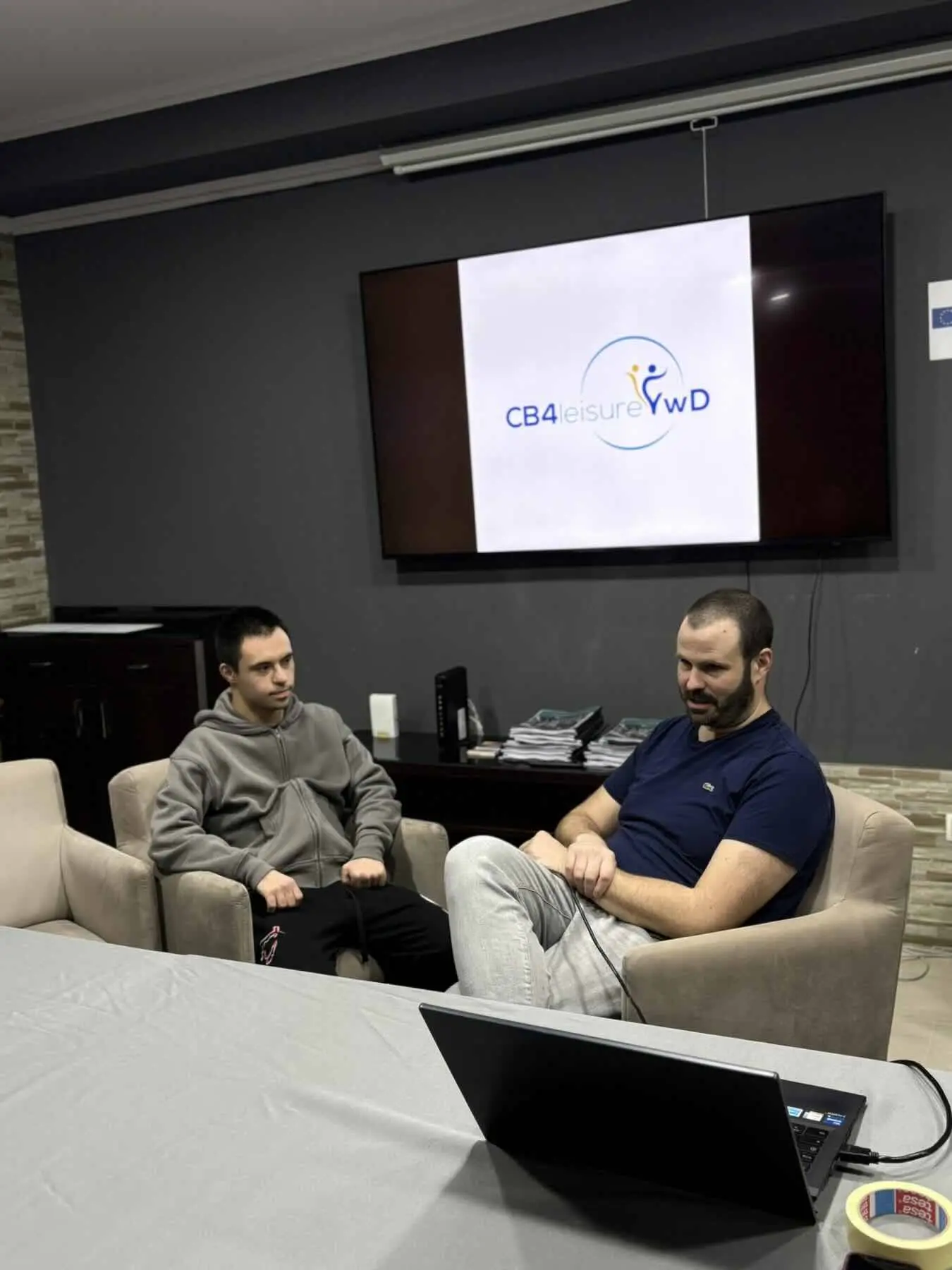
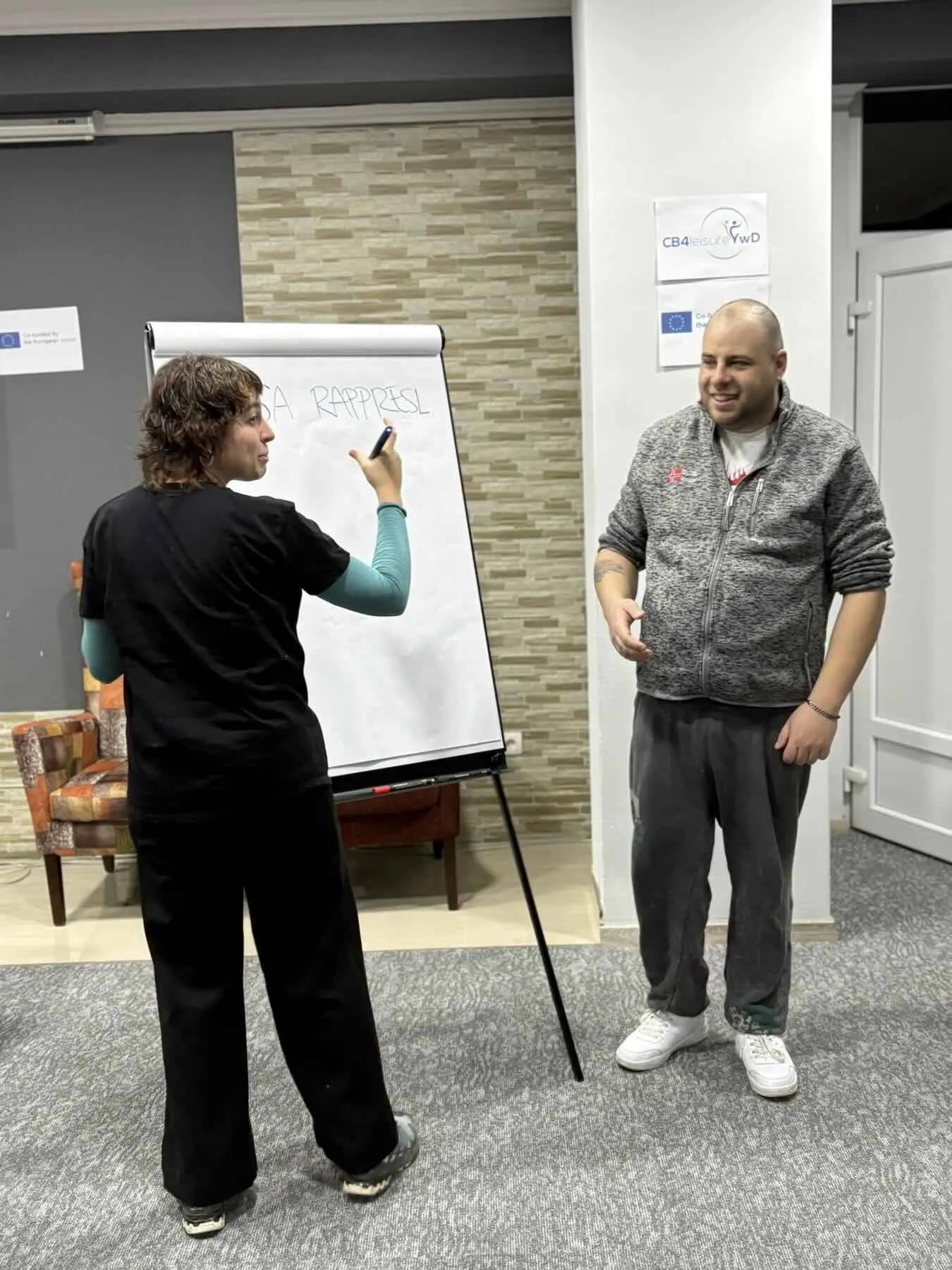
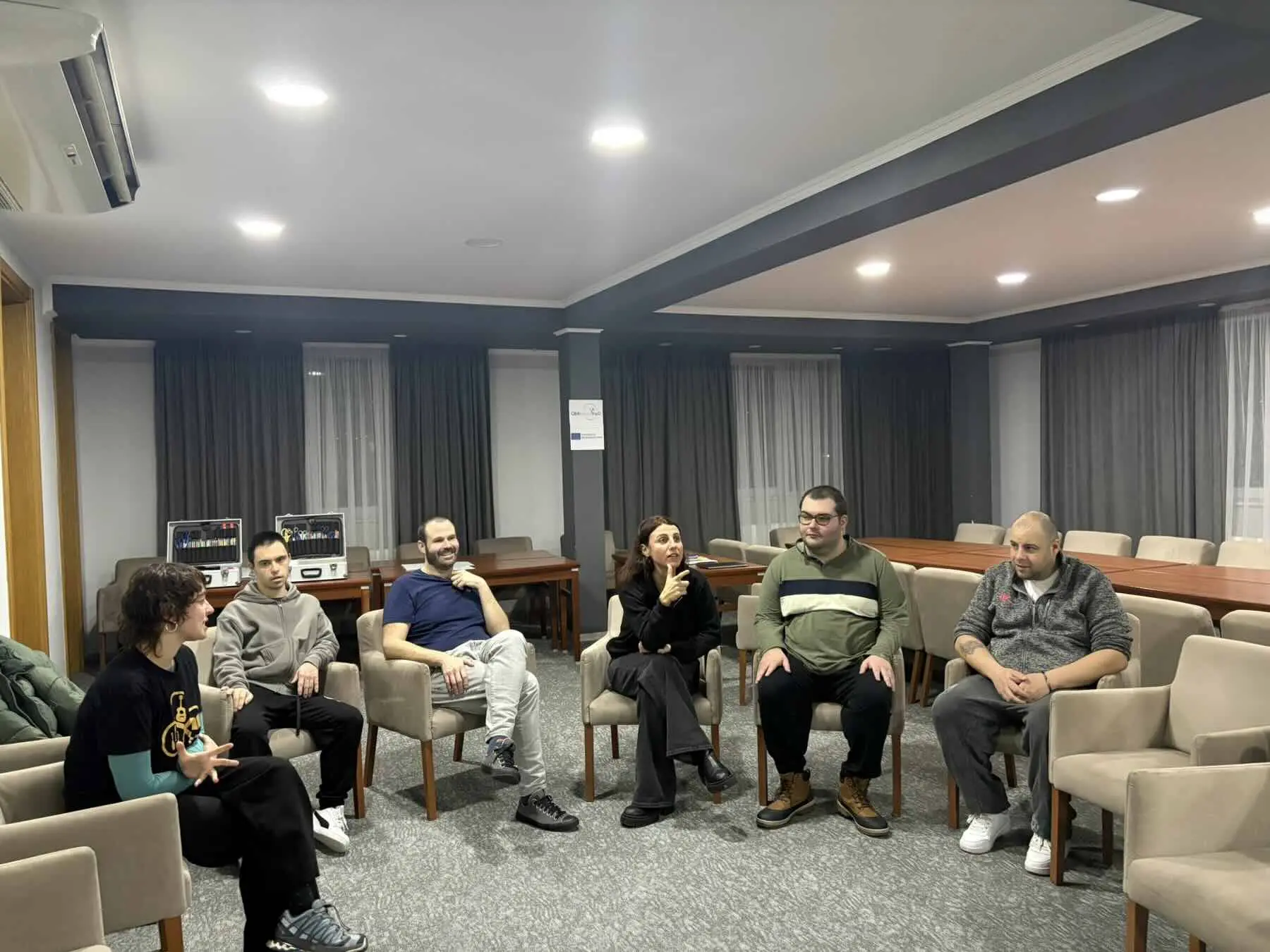
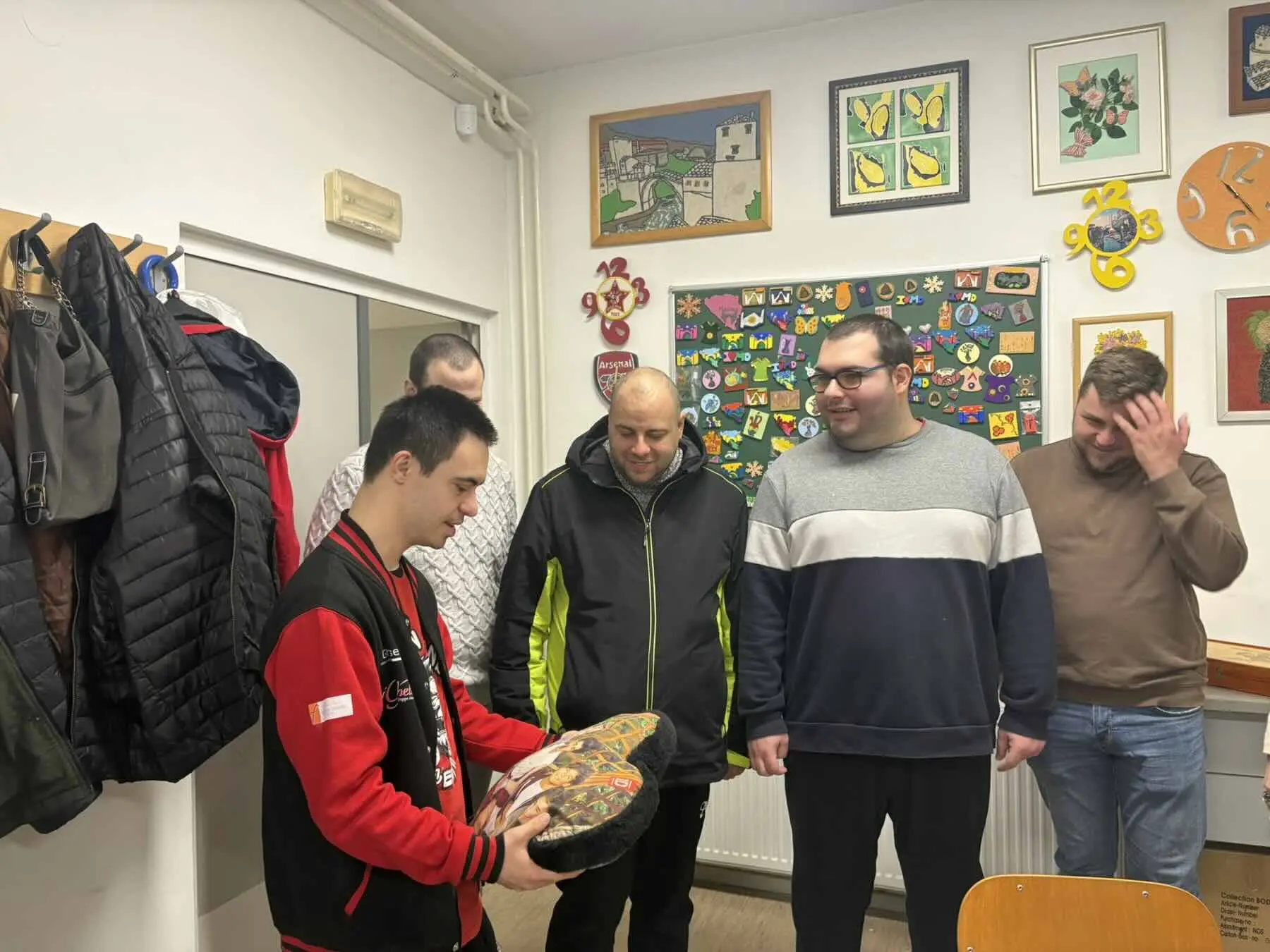
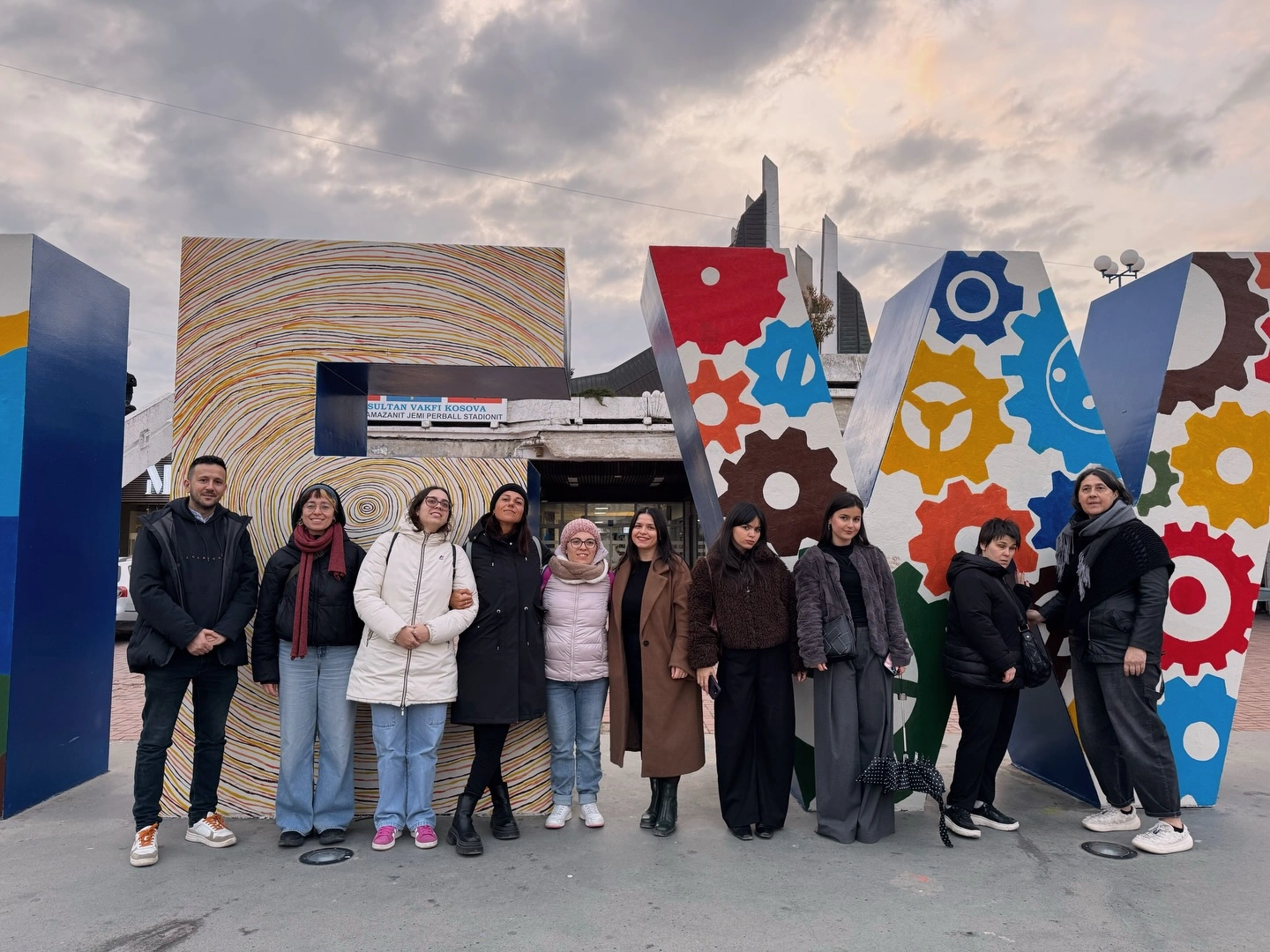
In the framework of the CB4leisureYwD project, partner organisations came together for a local training visit in Kosovo – a four-day exchange of knowledge, practice and perspectives that took the group from Pristina to Mitrovica, and into some of the most meaningful spaces of inclusive work in the country.

The visit was designed not as a study tour but as a genuine encounter – a chance for participants from different countries to engage directly with organisations, practitioners and individuals who are shaping inclusive practice in Kosovo, and to share their own experiences in return.


Pristina: conversations on accessibility and inclusion


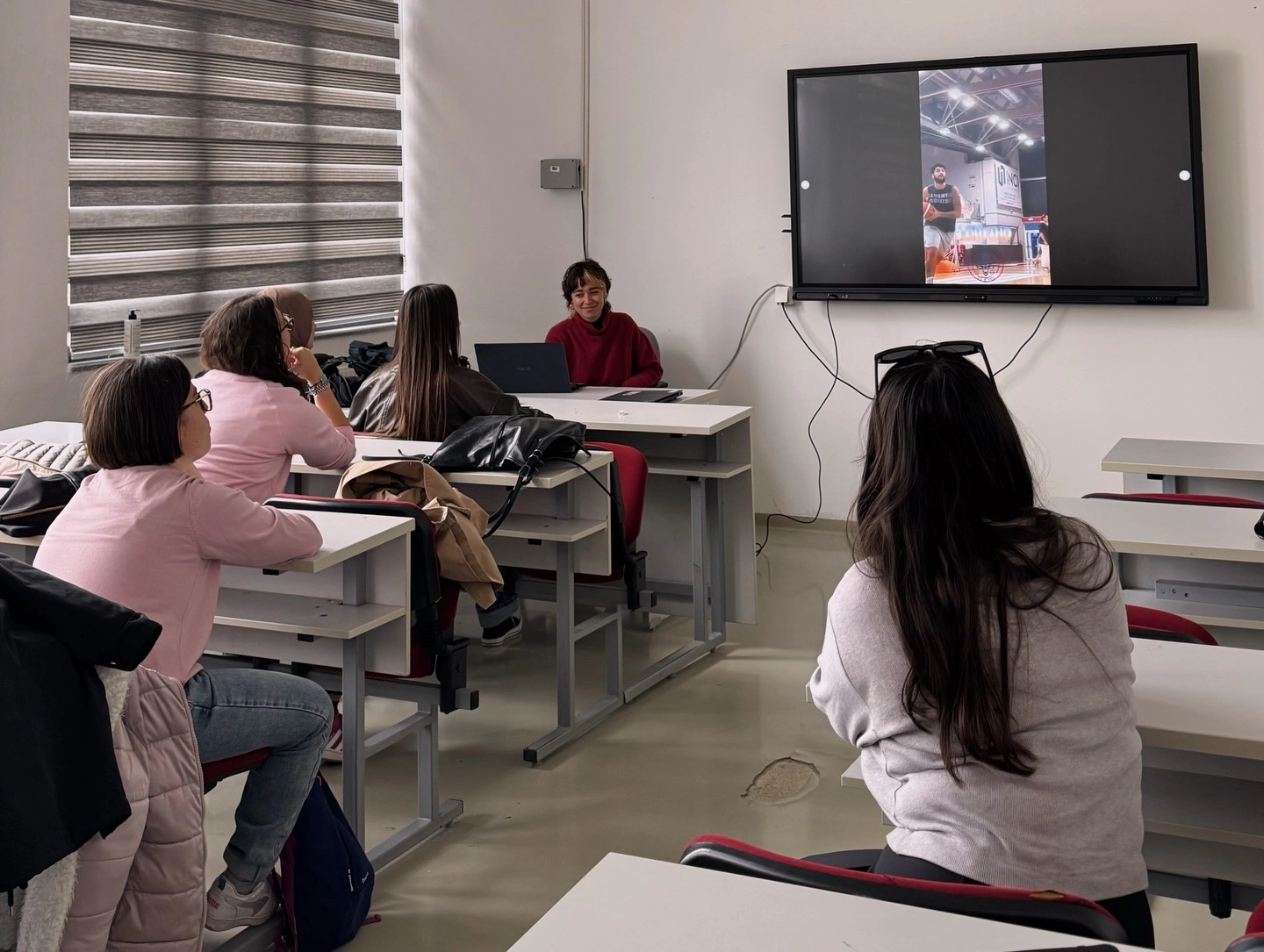
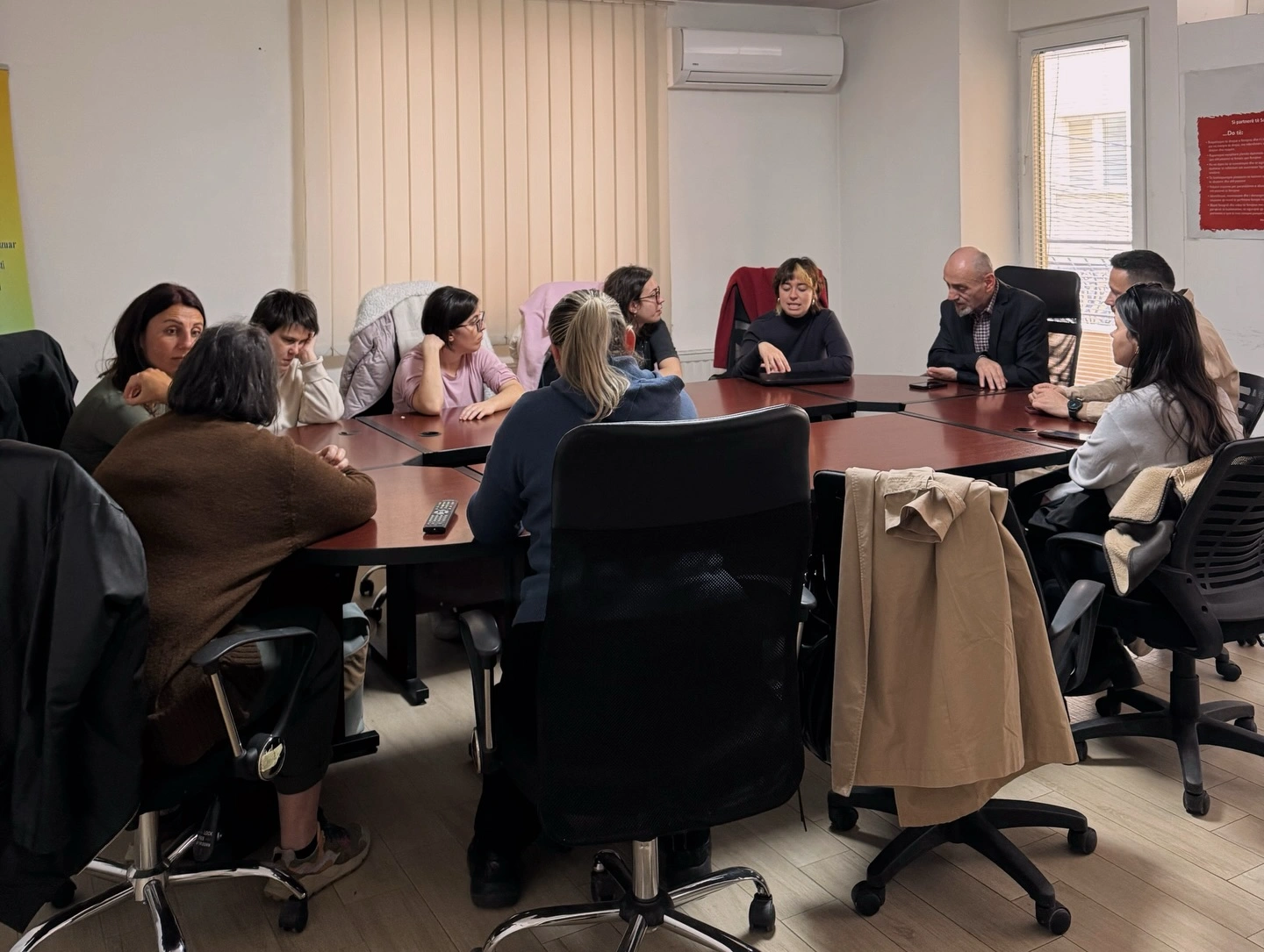
In Pristina, the group met with Team Rijad and visited the Kosovo Disability Forum, where they had the opportunity to speak with Executive Director Bujar Kadriu. The discussions ranged across themes of accessibility, rights and the structural conditions that shape the daily lives of people with disabilities in Kosovo. The group also spent time at the Faculty of Philosophy – Department of Social Work, where conversations with students brought a fresh and forward-looking perspective to the exchange: the next generation of social work professionals engaging directly with the realities and possibilities of inclusive practice.


Mitrovica: learning in action


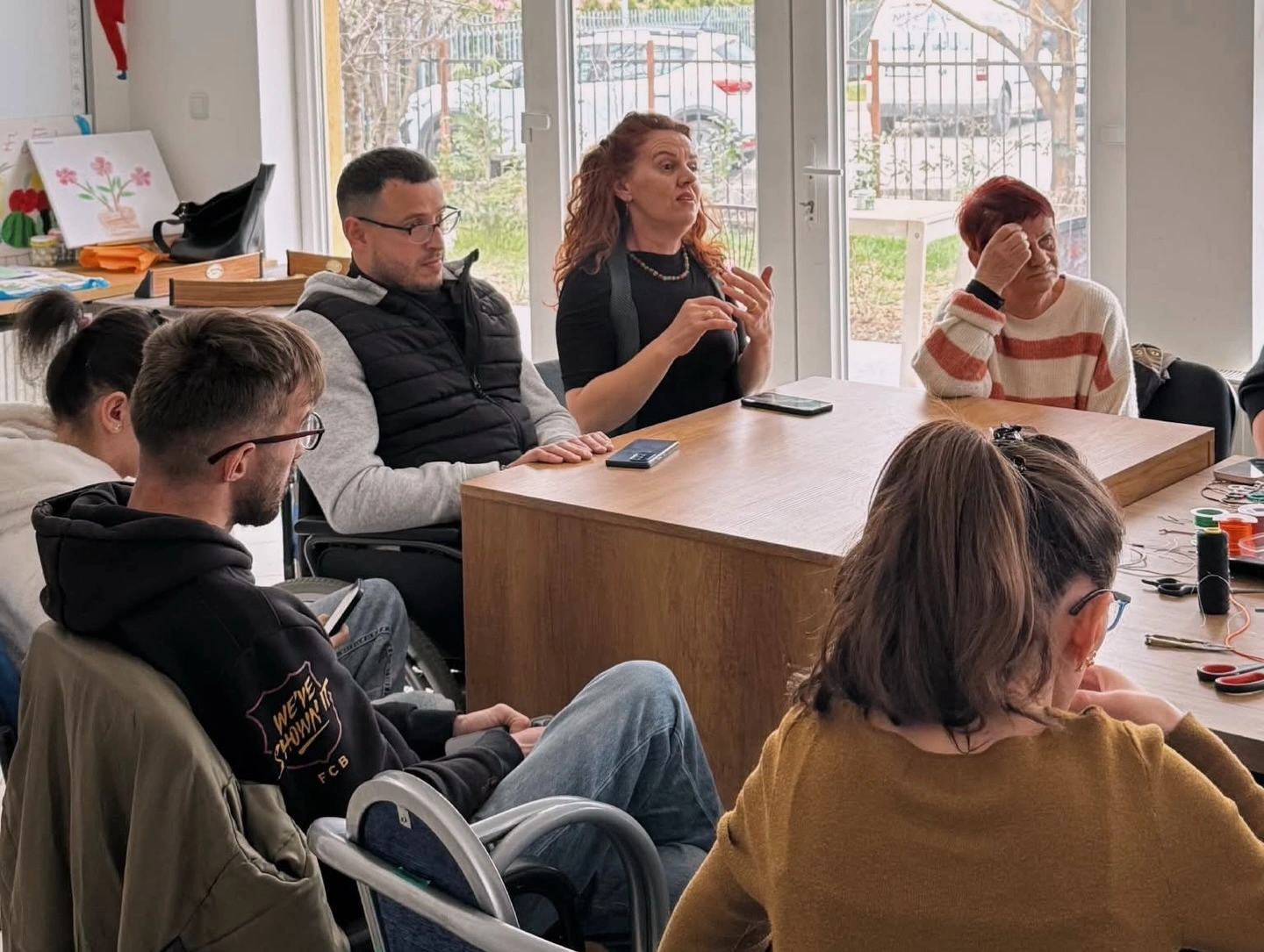
In Mitrovica, the visit took on a more hands-on character. At Down Syndrome Kosova and their café Bistro x21, the group learned about the organisation’s work and, in particular, about their approach to employment of people with Down syndrome – a powerful example of what genuine economic inclusion can look like in practice.


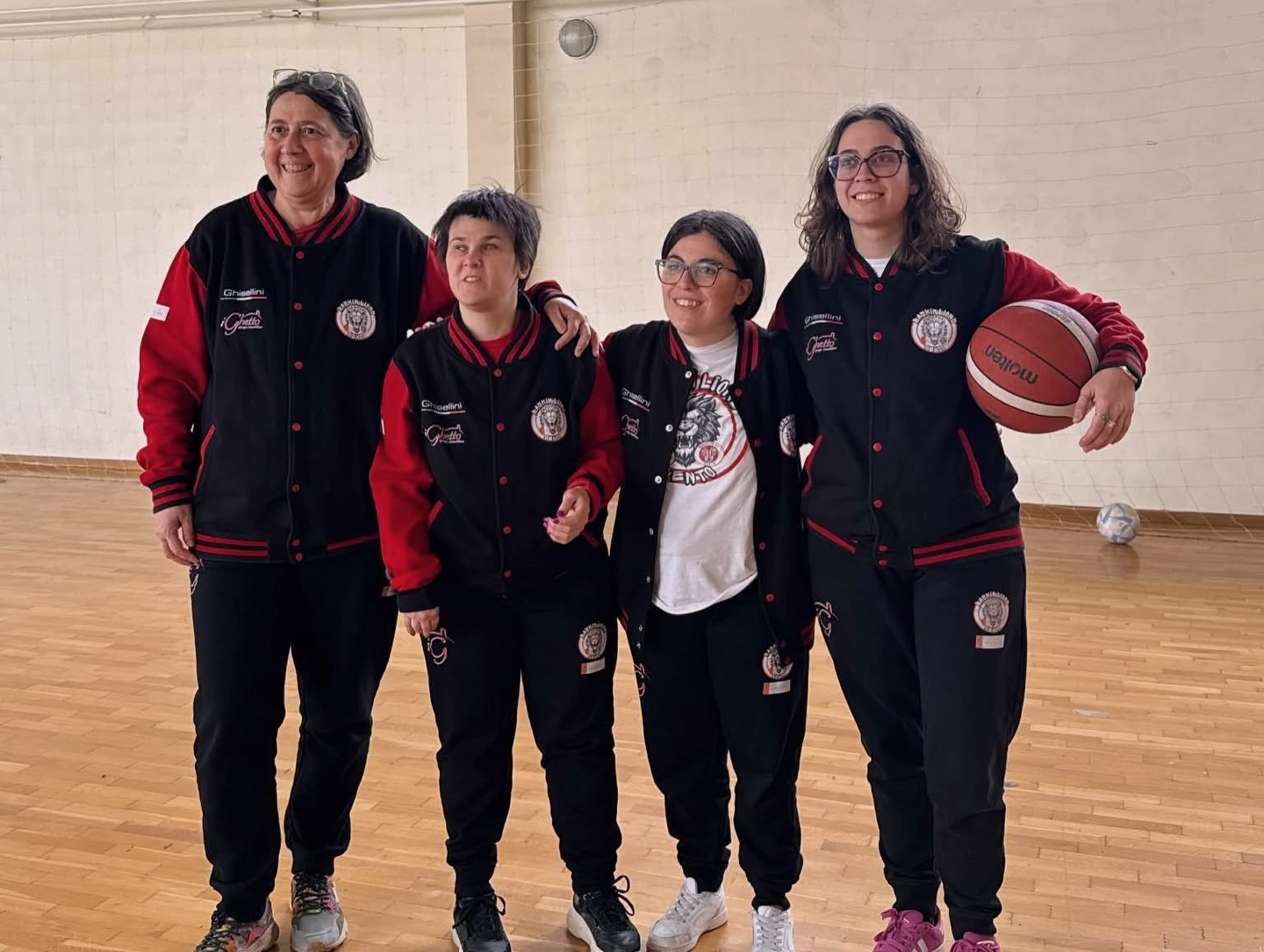
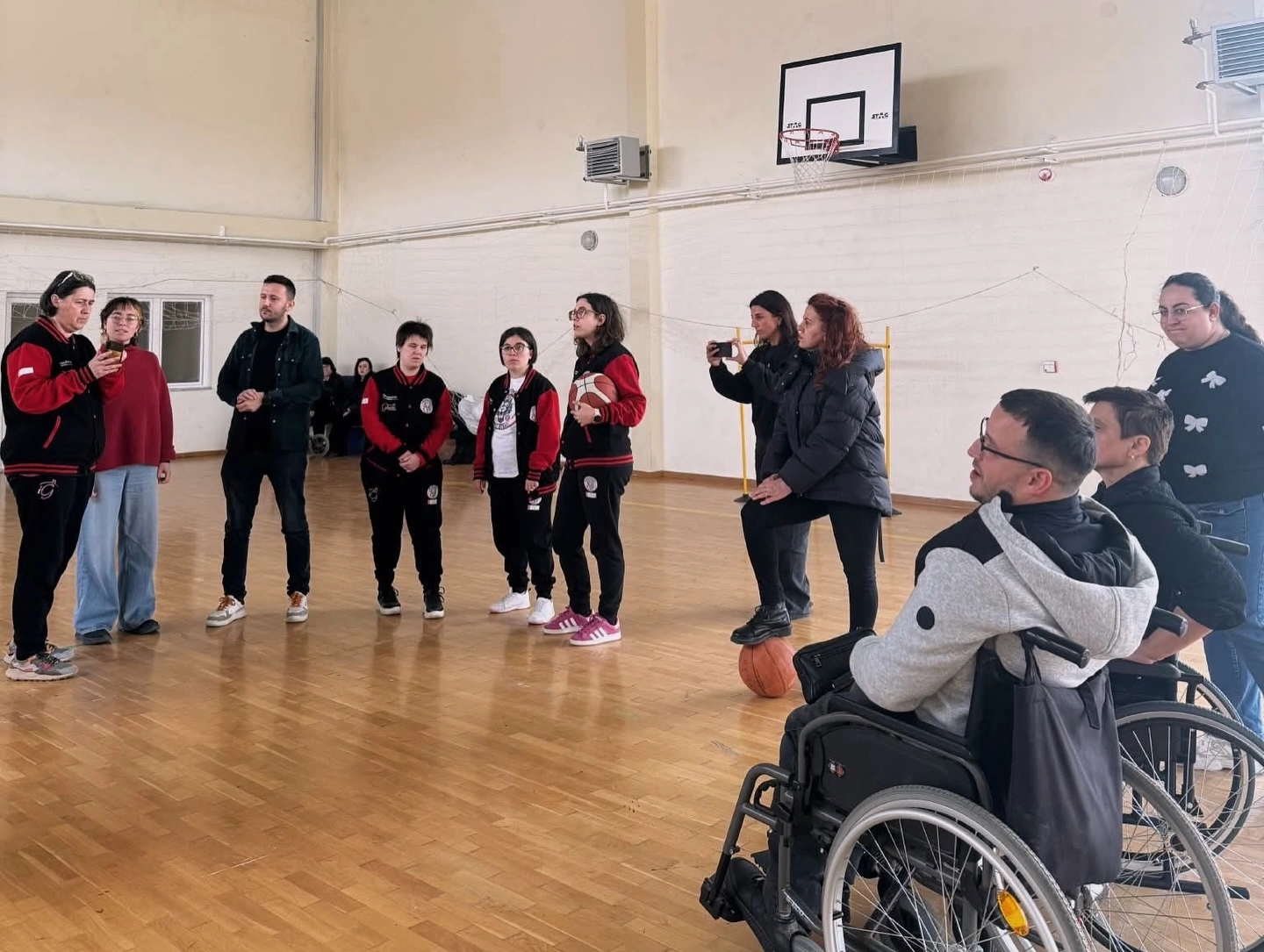
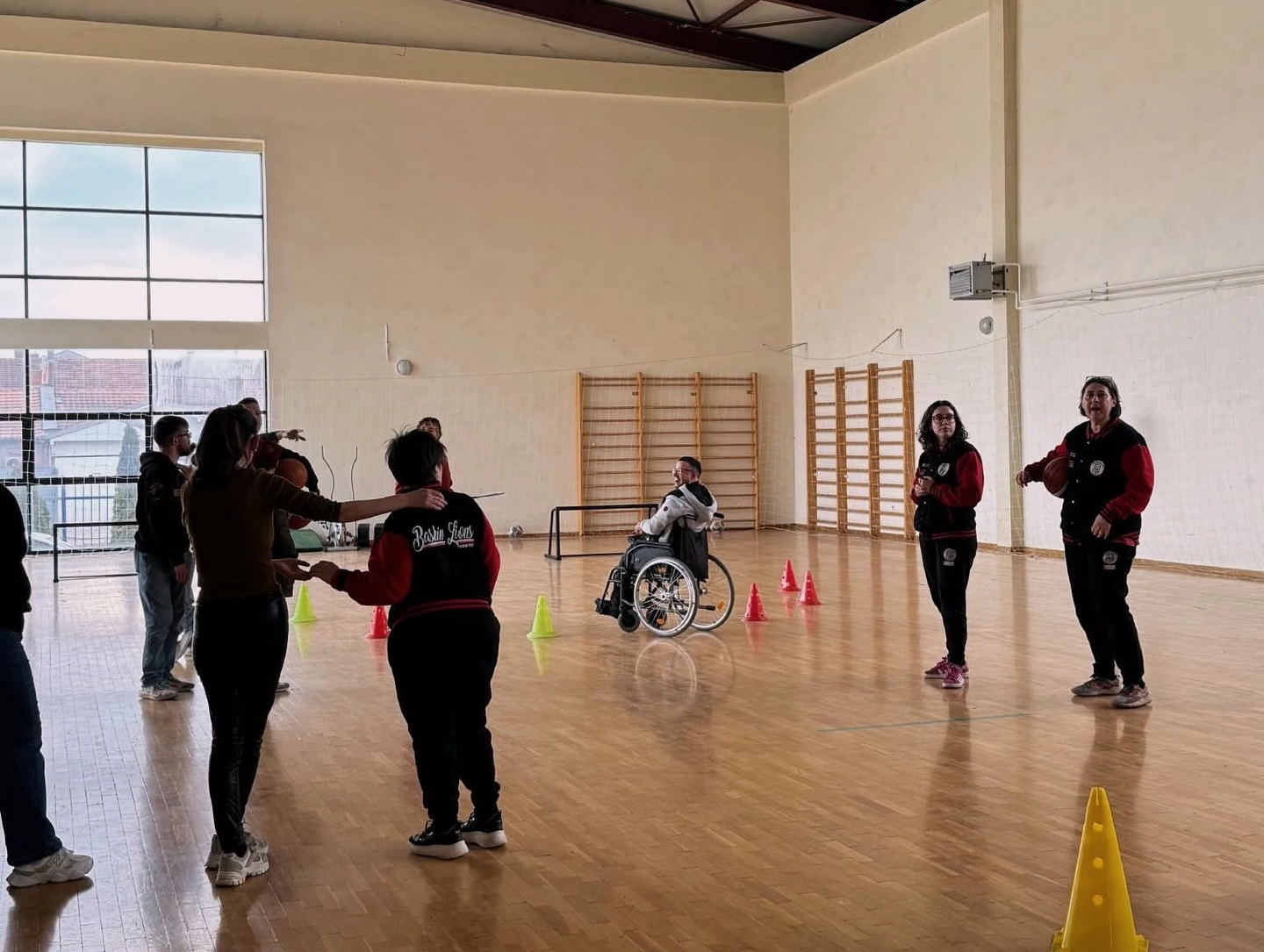
At the Së Bashku Center, discussions were complemented by something more active: a session of Baskin – adapted basketball designed for mixed groups of players with and without disabilities – facilitated by the Zanandrea team from Italy. Playing alongside the centre’s beneficiaries, participants experienced firsthand what inclusive sport can look and feel like when it is well-designed and well-run.


The group also met with representatives of the Kosovo Boccia Federation, who are actively working to expand access to boccia as both a competitive and recreational sport – promoting participation, accessibility and equal opportunities through a sport that is particularly well-suited to mixed-ability groups.


More than a visit


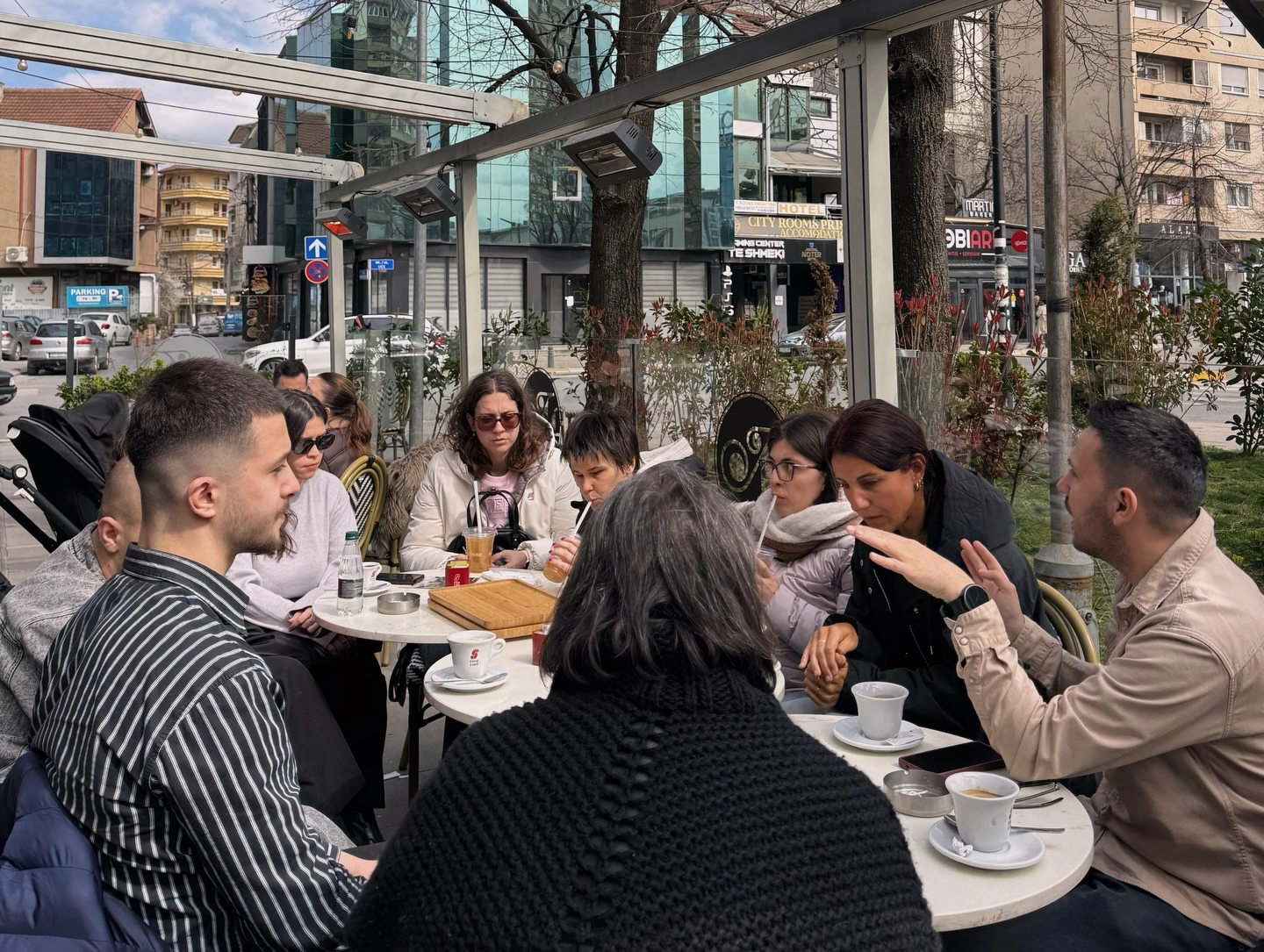
What made this training visit valuable was not any single meeting or activity, but the accumulation of encounters – with people, with organisations, with approaches to inclusion that are being developed and lived every day in Kosovo. The conversations that happened informally, between sessions and over meals, were as important as the formal programme.


These visits are one of the ways CB4leisureYwD turns its objectives into lived experience. Youth workers and educators do not only learn about inclusion from manuals and online courses – they learn it by being in rooms with people who are doing it, by asking questions, by trying things out, and by bringing what they have seen and felt back to their own communities and contexts.


The bridges built during these days in Kosovo will outlast the visit itself.

Strengthening inclusion in practice: Local training visit in Mostar

Strengthening inclusion in practice: Local training visit in Mostar

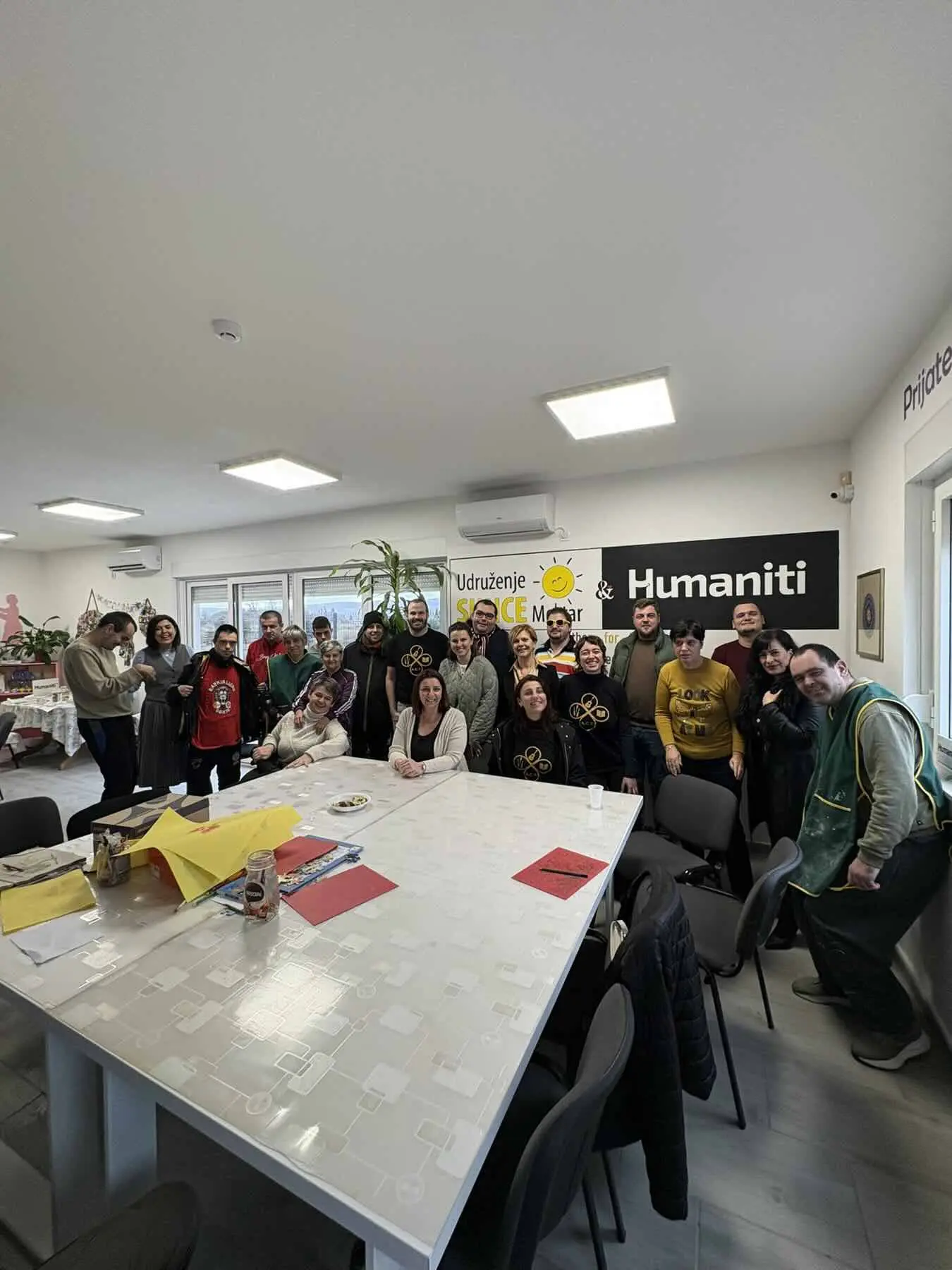
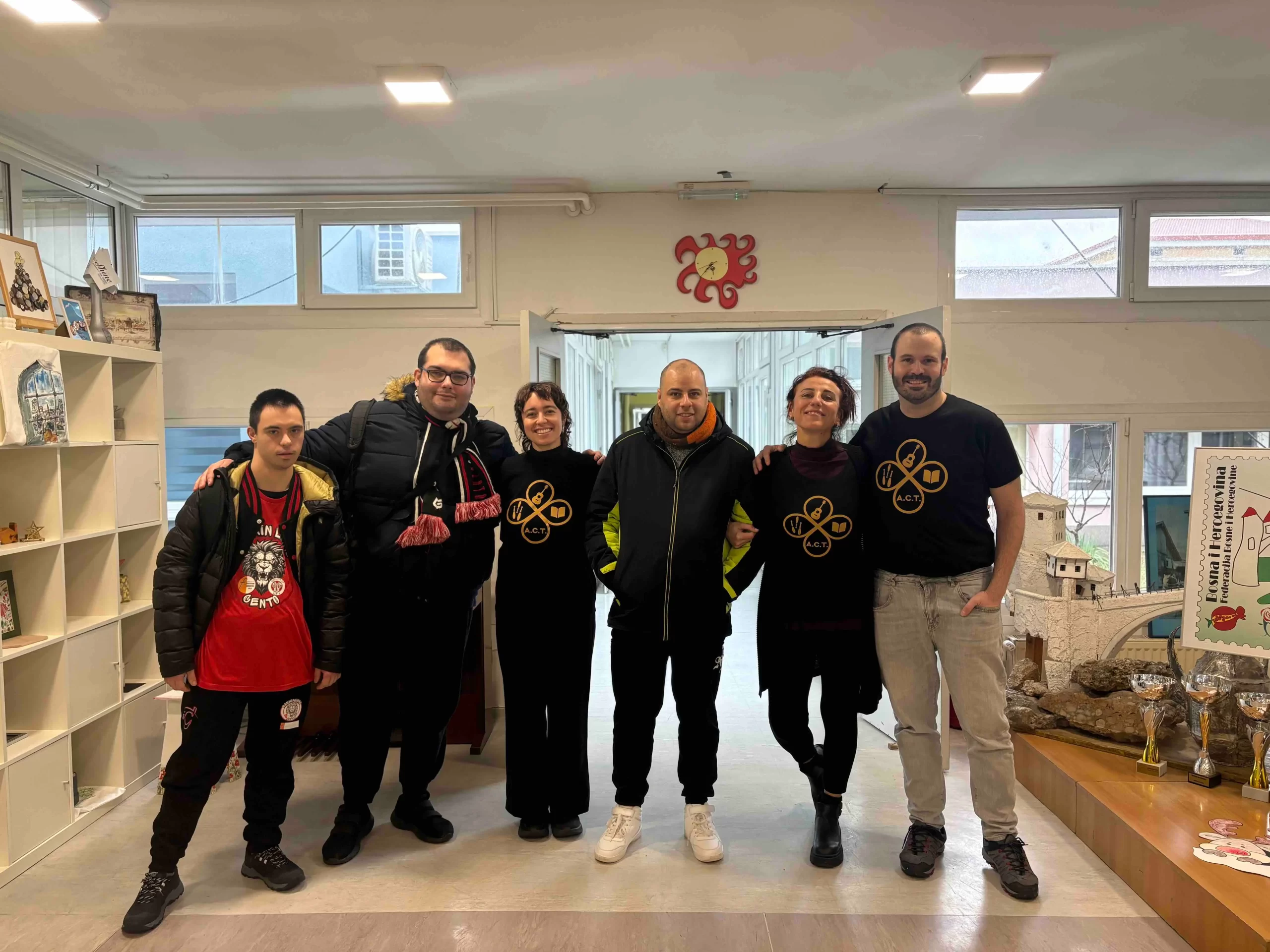
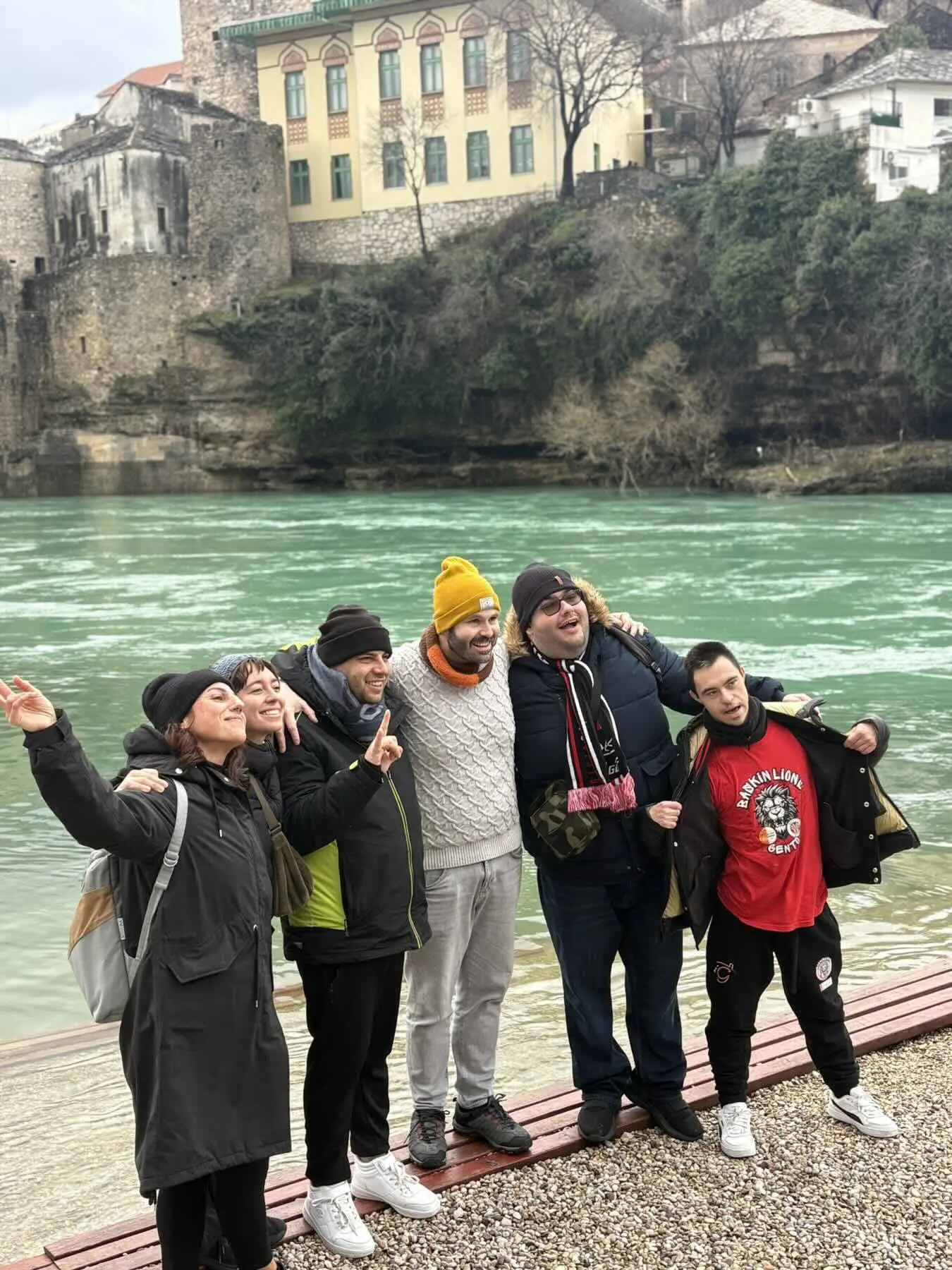
From the 5th to the 9th of February 2026, project partners gathered in Mostar, Bosnia and Herzegovina, for one of the two planned local training visits aimed at strengthening capacities for inclusive youth work and advocacy in the Western Balkans. The visit brought together representatives of BtB, SPIN, Zanandrea, and AMUSE, alongside young people with disabilities, their assistants, and experienced experts from partner organisations.


Building skills for inclusive local action


The primary goal of the local training visits is to empower organisations in the Western Balkans to design and implement meaningful workshops and advocacy initiatives that promote the inclusion of young people with disabilities (YWDs).

During the Mostar visit, project partners shared their long-standing experience in inclusive youth work, disability support, and community-based advocacy. Through interactive learning sessions, discussions, and peer exchange, participants explored:

  • practical methods for organising inclusive workshops
  • ways to ensure active participation of young people with disabilities
  • approaches to advocacy at the local and community level
  • examples of successful daily practices from partner organisations


Each working day included four hours of adapted educational activities, carefully structured to match the pace and needs of participants with disabilities. This ensured meaningful engagement, accessibility, and equal participation for everyone involved.


Learning from local organisations and communities


Beyond the educational sessions, the programme placed strong emphasis on connecting with local realities. Participants visited organisations in Mostar that actively work on empowering young people with disabilities and promoting social inclusion. These visits created space for:

  • sharing project materials and developed resources
  • presenting good practices from different countries
  • exchanging experiences with local civil society actors
  • building new partnerships for future cooperation


Such encounters are essential for ensuring that project results reach beyond the consortium and contribute to long-term change at the community level.


Inclusive participation at the heart of the visit


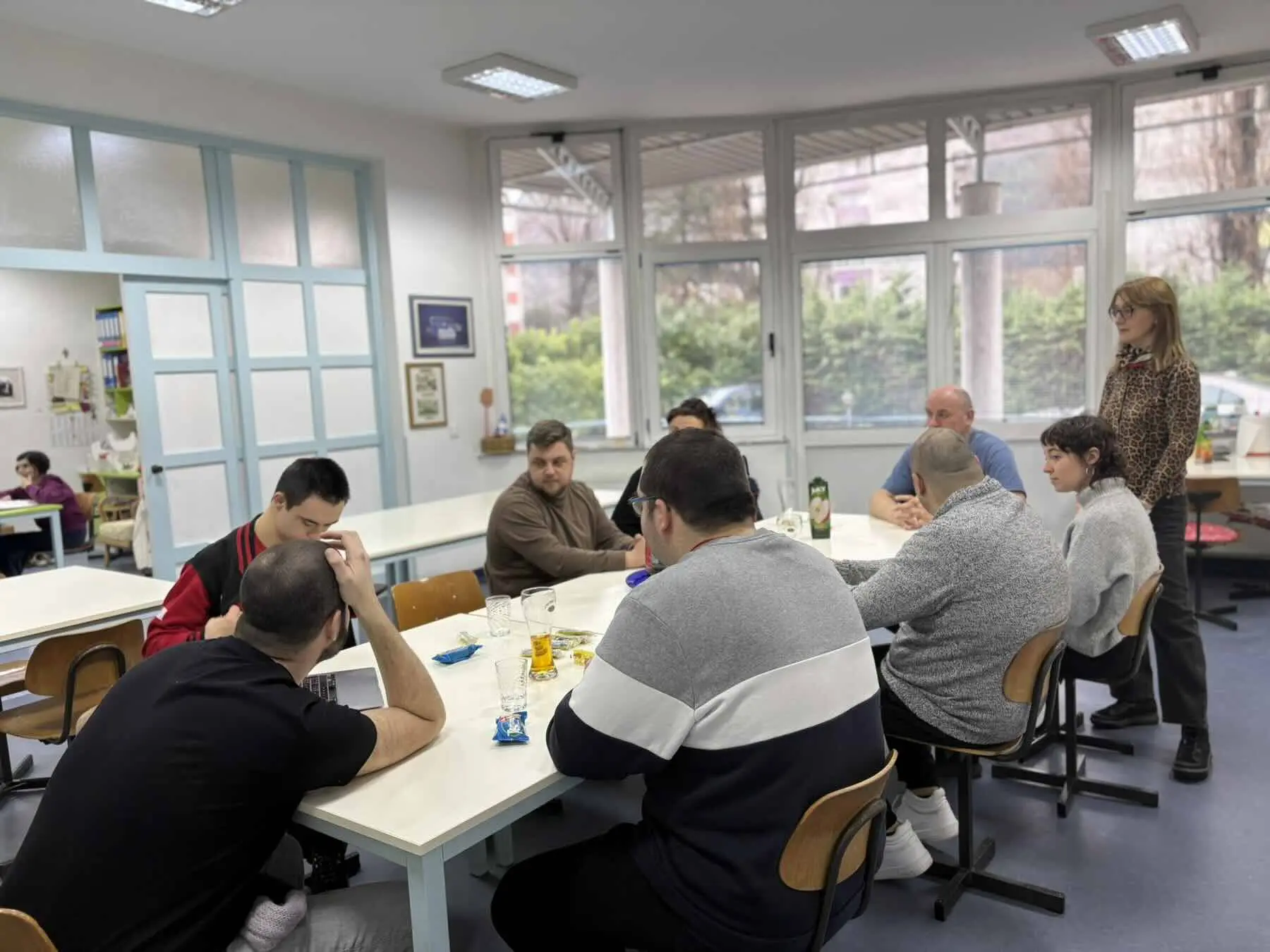
A defining feature of the training visit was the direct involvement of young people with disabilities. Each activity hosted a diverse group that included experts,  young participants with disabilities, personal assistants supporting their participation and representatives of host organisations. This structure ensured that inclusion was not only discussed as a concept but experienced in practice, reinforcing the project’s commitment to accessibility, empowerment, and equal opportunities.


Alongside learning and networking activities, partners also used the Mostar visit as an opportunity for internal coordination and reflection. Dedicated sessions allowed organisations to:

  • review project implementation progress so far
  • discuss upcoming activities, events, and outputs
  • align responsibilities and timelines
  • strengthen collaboration within the partnership


The local training visit in Mostar marked an important step toward stronger inclusive youth work ecosystems in the region. By combining capacity building, real-life community engagement, and participatory reflection, the visit demonstrated how international cooperation can translate into practical local impact.


A second local training visit will take place in Mitrovica, Kosovo, continuing the joint effort to empower organisations, support young people with disabilities, and promote inclusive participation across the Western Balkans. Through these activities, the partnership moves closer to its shared vision: communities where young people with disabilities are fully included, heard, and empowered to shape their own futures.

So you want to be more inclusive – but where do you start?

So you want to be more inclusive – but where do you start?

For many youth workers and youth organisations, the desire to be more inclusive of young people with disabilities is genuine and long-standing. The question is not whether to do it – it is how. And that question, in practice, can feel overwhelming.


Where exactly do you begin? Do you start with the physical space – making sure it is accessible? With the programme design – adapting activities so that everyone can participate? With the way you communicate – ensuring that information reaches people in formats they can use? With your own knowledge and assumptions – examining the attitudes and beliefs that shape the way you work?


The honest answer is that all of these things matter, and that change in one area without change in others tends not to stick. But this does not mean that you need to transform everything at once. It means starting somewhere, being intentional about it, and building from there.


One of the most common barriers youth workers report is not a lack of willingness but a lack of confidence. Working with young people with disabilities can feel unfamiliar, particularly for youth workers who have not had specific training in this area. There is often a fear of getting it wrong – of saying the wrong thing, of not knowing how to adapt an activity, of not understanding what a particular young person needs.


This fear is understandable, but it is also something that can be addressed through the right kind of support. Not through abstract theory alone, but through practical, usable tools that give youth workers concrete starting points – workshop designs they can actually run, guidance on adapting spaces and equipment, frameworks for thinking about inclusion that they can apply in their specific context.


This is the kind of support that CB4leisureYwD aims to provide. The resources developed through the project – manuals, toolkits, online courses and a full curriculum – are all designed to be practical and accessible, built on real experience and tested with real youth workers. They are not prescriptions for what inclusion must look like, but tools to help organisations find their own version of it.


The starting point is different for every organisation. What matters is that there is one.

Why this work only makes sense across borders

Why this work only makes sense across borders

It would have been simpler, in many ways, to design CB4leisureYwD as a national project. Each of the partner organisations could have worked within their own country, developed resources for their own context, trained youth workers in their own communities. Simpler to manage, simpler to coordinate, simpler to report on.


But it would have been significantly less useful – and significantly less honest about the nature of the challenge.


The barriers that young people with disabilities face when trying to access sport, outdoor and leisure activities are not unique to Bosnia and Herzegovina, or to Italy, or to Serbia, or to Kosovo. They are shared across borders, across languages, across different legal and policy frameworks. Youth workers in Sarajevo and youth workers in Bologna are grappling with versions of the same problem. The specific details differ – the regulations, the resources available, the cultural context – but the core challenge is recognisable everywhere.


Working transnationally means being able to learn from those differences rather than being limited by them. A practice that has worked well in one country can offer real insights to organisations in another – not as a model to copy, but as a starting point for thinking differently. The diversity of experience across the partnership is one of its greatest assets.


It also means that the resources developed through CB4leisureYwD are stronger for having been shaped by multiple perspectives. A toolkit developed by organisations from four countries, drawing on research and practice from four different contexts, and tested with youth workers and young people across all four, is a more robust and more widely applicable resource than one developed in a single national setting.


And finally, working transnationally matters because the field of inclusive youth work itself is transnational. Youth workers, educators and organisations across Europe face the same questions, read the same research, attend the same training events and draw on the same pool of ideas. The conversations that shape the field happen across borders.

CB4leisureYwD contributes to those conversations – and the resources it produces, available in five languages and freely accessible online, are designed to reach far beyond the four countries of the partnership.

Why sport? The case for leisure and physical activity as tools for social inclusion

Why sport? The case for leisure and physical activity as tools for social inclusion

When we talk about inclusion for young people with disabilities, the conversation often focuses on education and employment – two areas that are undeniably important and that receive significant attention from policymakers and researchers alike. Sport, outdoor activities and leisure tend to receive less focus. They can seem peripheral, secondary, even optional.


CB4leisureYwD starts from a different position: that sport and leisure are not secondary to inclusion. They are one of its most powerful and most underused engines.


The evidence for this comes from multiple directions. Research from the World Health Organisation consistently shows that physical activity contributes to improved muscle strength, flexibility and overall physical health for young people with disabilities – benefits that can directly support greater autonomy and independence in daily life. But the social dimensions of sport and leisure are equally significant, and perhaps even more so.


Sport creates social spaces. It brings people together around a shared activity, a shared effort, a shared experience. In those spaces, the usual social divisions – including the divide between people with and without disabilities – tend to matter less. What matters is the game, the trail, the activity. And it is precisely in these moments that meaningful connections are formed, stereotypes are challenged and a genuine sense of belonging can develop.


For young people with disabilities, access to these spaces is far from guaranteed. Participation rates in sport and leisure activities are up to three times lower than for peers without disabilities. This is not because young people with disabilities are less interested in sport or leisure – it is because the environments, programmes and staff are often not equipped to include them. Facilities are not adapted. Programmes are not designed with diverse abilities in mind. Youth workers lack the training to facilitate inclusive participation confidently.


These are not insurmountable problems. They are, in large part, problems of capacity – and capacity can be built. That is what CB4leisureYwD sets out to do: equip youth workers, organisations and communities with the knowledge, tools and confidence to open up the social spaces that sport and leisure create to every young person, regardless of their abilities.

Not people who need – people who give: Rethinking disability in youth work

Not people who need – people who give: Rethinking disability in youth work

One of the most persistent and damaging assumptions in the way society relates to people with disabilities is this: that they are primarily recipients. People who receive help, care, accommodation and support. People whose presence in an activity or programme is something to be managed rather than welcomed.


This assumption shapes a great deal of youth work – often without anyone noticing. Programmes are designed for young people with disabilities as a special add-on to mainstream activities. Participation is offered as a form of charity rather than as a right. The language used – even when well-intentioned – positions young people with disabilities as the passive subject of inclusion efforts rather than as active agents in their own lives and communities.


CB4leisureYwD is built on a different premise. At the heart of the project is a deliberate shift in perspective: from seeing young people with disabilities as people who need, towards recognising them as people who give. People who bring experiences, insights, creativity and resilience that enrich any group, activity or community they are part of.


This is not simply a matter of positive framing or motivational language. It reflects a genuine truth. Young people with disabilities navigate a world that was largely not designed for them, and they develop remarkable skills in the process – problem-solving, adaptability, communication, self-advocacy. When these young people are included as full and active participants in sport, leisure and youth work, they do not just benefit from the experience. They contribute to it.


Making this shift requires more than changing words. It requires changing the way programmes are designed, the way spaces are arranged, the way youth workers are trained, and the way communities are invited to think about disability. It means asking not ‘how do we accommodate this young person?’ but ‘how do we create an environment where this young person – like every other young person – can participate fully and contribute meaningfully?’


This question sits at the centre of everything CB4leisureYwD does. The manuals, toolkits, online courses and curriculum developed through the project are all built around it. And the young people with disabilities who participate in and contribute to the project are living proof that the answer is worth pursuing.

Building for the future: why all our resources are digital and free

Building for the future: why all our resources are digital and free

A project that produces excellent resources but keeps them behind paywalls, limits them to the languages of its immediate partners, or makes them available only for the duration of its funding period has not really done its job. The knowledge exists – but it does not travel. The work was done – but its reach stops at the project boundary.


From the beginning, CB4leisureYwD was designed to avoid this. Every resource developed through the project – the manual for youth workers, the toolkits, the online courses, the curriculum, the collection of positive practices – is published digitally, made freely available, and translated into all five languages of the partnership: English, Bosnian, Serbian, Albanian and Italian.


These are not just logistical decisions. They reflect a set of values about what this kind of work is for.


Making resources digital means they are accessible from anywhere – from a youth organisation in a small town with no budget for printed materials, from a youth worker at home preparing for next week’s session, from a researcher in another country looking for examples of practice. It also means they can be updated as the field evolves, rather than becoming outdated the moment they are printed.


Making them free means removing a barrier that, in the context of civil society organisations and youth work – sectors that are chronically underfunded across all four partner countries – is a very real one. If the resources cost money to access, many of the organisations and individuals who would benefit most from them will simply not access them.


Making them available in multiple languages means meeting people where they are. Not everyone who works with young people with disabilities in the Western Balkans or in Italy reads English comfortably. Producing resources only in English would exclude a significant proportion of the people they are intended to reach.


The project website, which hosts all of these resources, is designed to remain active and accessible long after the project itself concludes. The goal is not a temporary intervention, but a lasting contribution to the field – a set of tools that organisations and youth workers can find, use and build on for years to come.

From need to action: Why we created CB4leisureYwD

From need to action: Why we created CB4leisureYwD

Young people with disabilities are among the most marginalised groups in society – and this is not a controversial statement. It is a documented reality, confirmed by research from the World Health Organisation, UNICEF and countless organisations working on the ground across Europe. Yet knowing that a problem exists and actually doing something about it are two very different things.


CB4leisureYwD was born out of a specific frustration shared by youth organisations across Bosnia and Herzegovina, Italy, Serbia and Kosovo: the gap between what we know and what we do when it comes to including young people with disabilities in sport, outdoor and leisure activities.


Research consistently shows that people with disabilities participate in physical and leisure activities at rates up to three times lower than those without disabilities. For young people, this matters enormously – because sport and leisure are not simply about physical health. They are spaces where friendships are formed, confidence is built, skills are developed and a sense of belonging is found. When young people with disabilities are excluded from these spaces, the impact reaches far beyond missing a training session or an afternoon in the park.


What makes this gap particularly difficult to accept is that most of the people working in youth organisations genuinely want to be inclusive. The problem is not a lack of goodwill – it is a lack of the right tools, training and methods to turn that goodwill into practice. In surveys conducted with youth workers across our partner countries during the preparation of this project, 48% said their existing methods and tools feel outdated and incompatible with current approaches to inclusion. Only 14% felt confident that what they were already doing was good enough. Meanwhile, 75% of parents of young people with disabilities reported that their children had attended some form of inclusion programme – but only 21% found those programmes genuinely useful in daily life.


These numbers tell a clear story. The issue is not that nothing is being done. The issue is that what is being done is often not working well enough – and that youth workers across our region know it and want to do better.


CB4leisureYwD is our collective response to that reality. Rather than adding yet another one-off workshop or short-term initiative to the landscape, the project takes a longer view: building the genuine capacity of youth workers, coordinators and organisations to create inclusive environments as a standard part of their work, not as an exception. And crucially, it does so by working not only with youth workers and educators, but with young people with disabilities themselves – as participants, contributors and leaders in the process.


The work is not simple, and we do not pretend that a single project can solve everything. But it can move things forward – and that is exactly what we set out to do.

CB4leisureYwD kicks off: the work begins

CB4leisureYwD kicks off: the work begins

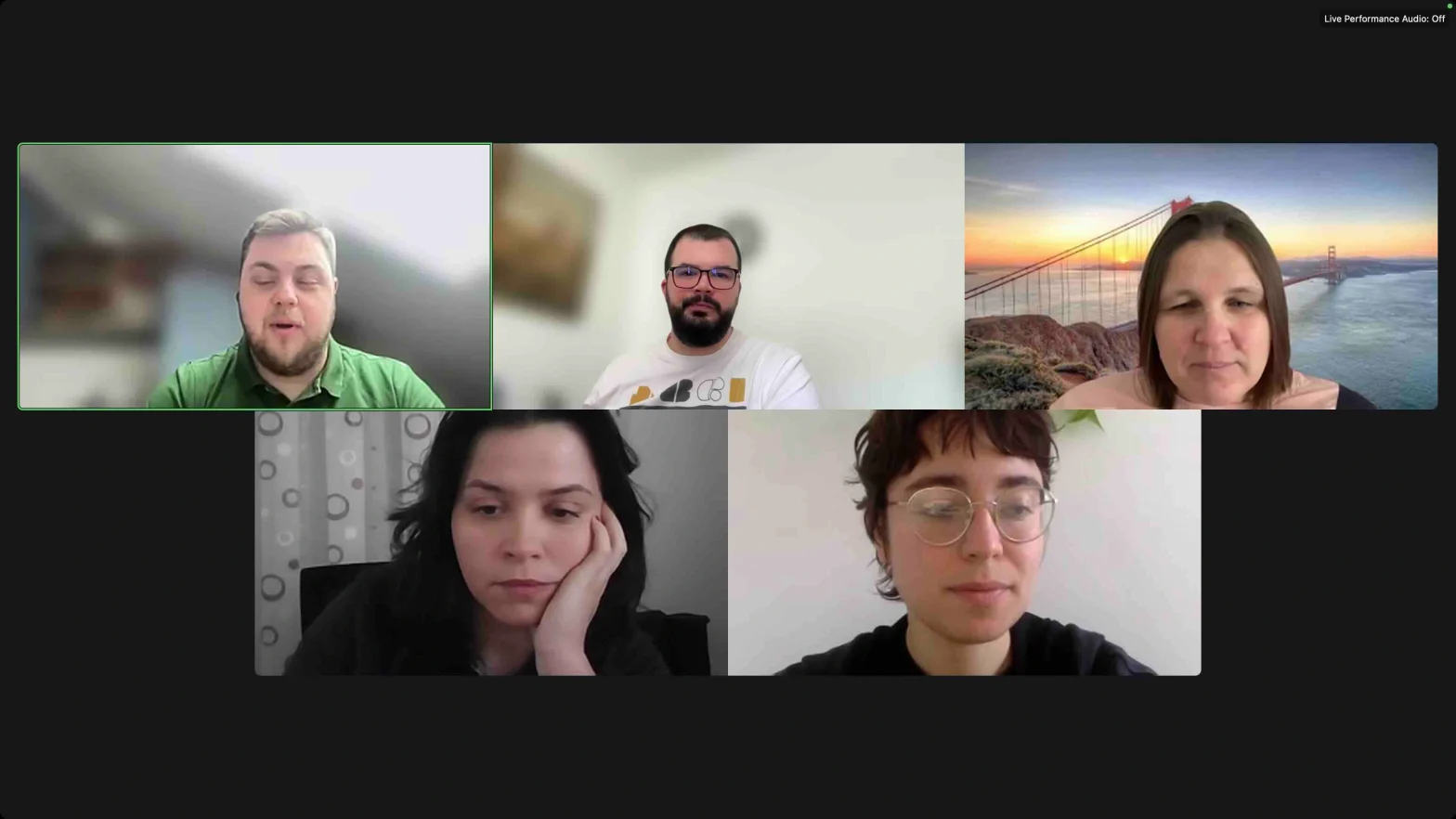
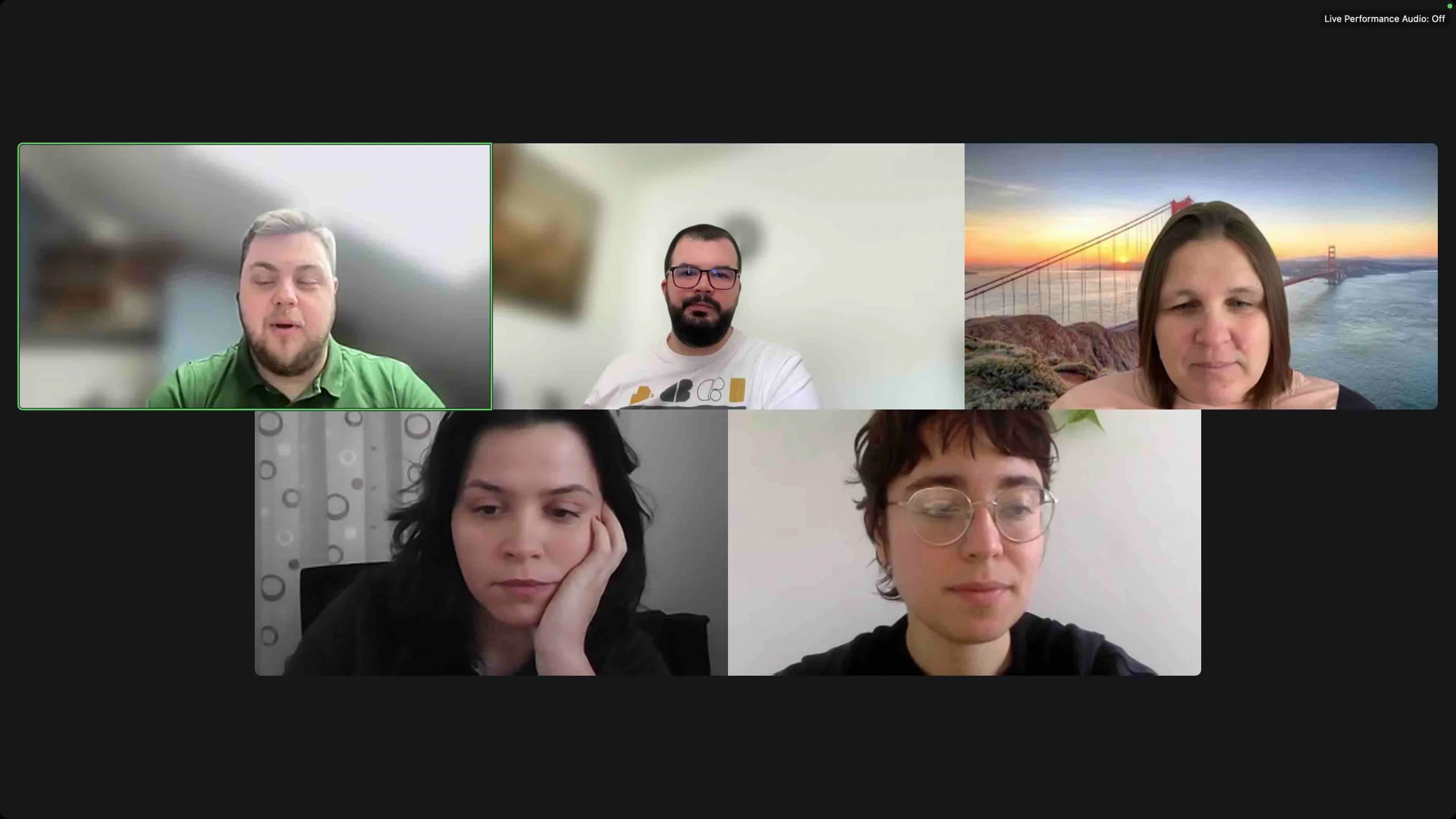
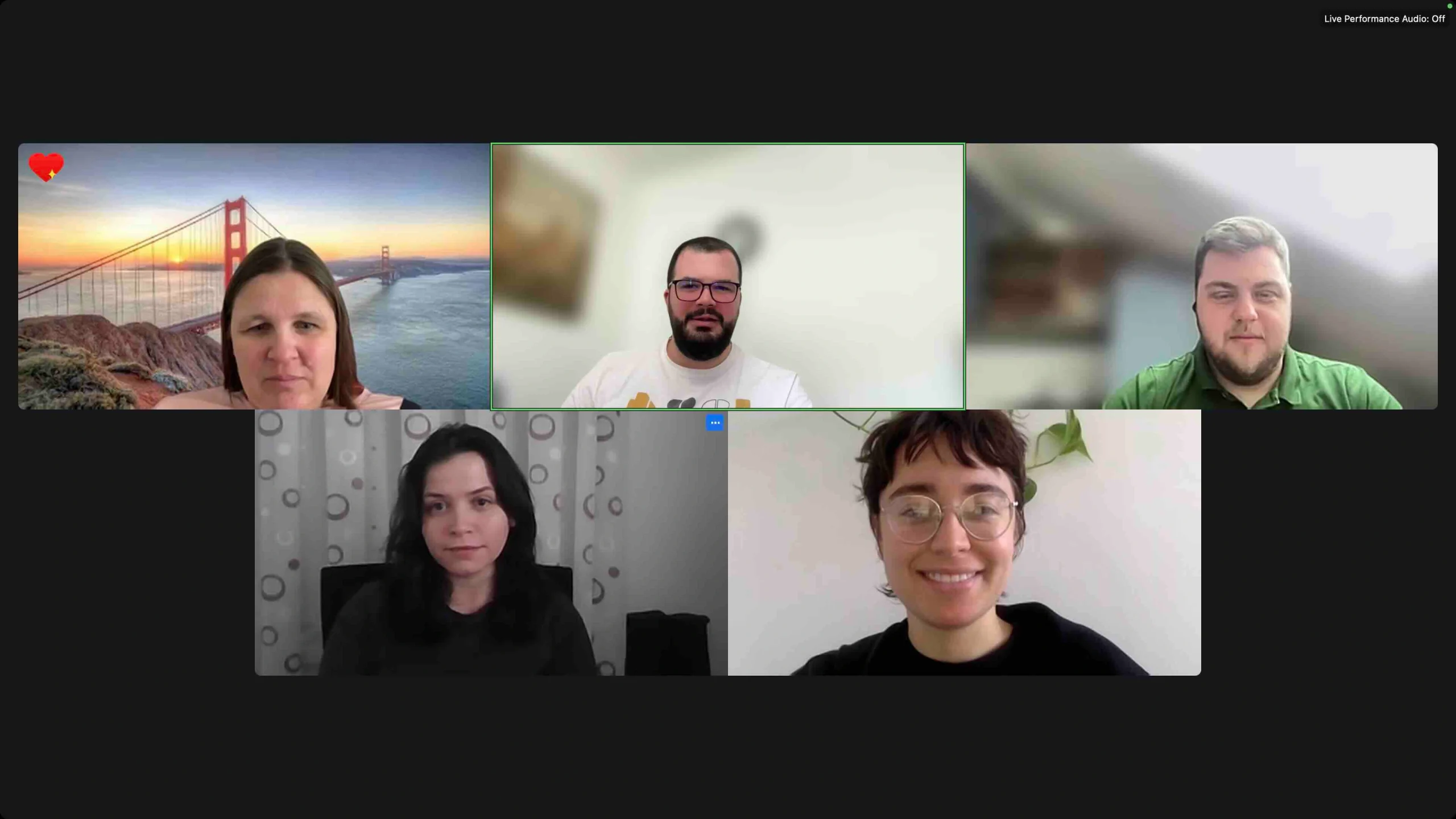
Every project begins somewhere. For CB4leisureYwD, that beginning took shape on 29 April 2025, when representatives of all four partner organisations came together for the project’s kick-off meeting – the first time the full team gathered to set the foundations for the work ahead.


The meeting brought together youth workers, project coordinators and educators from Bosnia and Herzegovina, Kosovo, Serbia and Italy. Four countries, one shared goal: building more inclusive environments for young people with disabilities through sport, outdoor and leisure activities.


Why a kick-off meeting matters


For those outside the world of international projects, a kick-off meeting might sound like little more than a formality – a box to tick before the real work starts. In practice, it is something more important than that.


A transnational project like CB4leisureYwD depends on trust and clear communication between organisations that operate in different languages, different legal contexts and different professional cultures. The kick-off meeting is where that foundation gets built – where teams get to know each other as people, not just as names on a partnership agreement, and where the shared understanding that makes good collaboration possible begins to develop.


Laying the groundwork


The meeting covered the full scope of what it takes to get a project like this off the ground. Partners reviewed the project implementation plan together, aligned on roles and responsibilities, and established a regular meeting schedule that will keep the consortium connected throughout the project’s two-year duration.


The project’s visual identity was also presented – the CB4leisureYwD logo and communication guidelines that will give the project a consistent and recognisable presence as it develops. Partners agreed to launch the project’s social media channels in the week following the meeting, marking the first public-facing step of the project’s life.


Practical matters were addressed as well: the shared digital workspace that will be used to organise project documents and track progress, the financial reporting processes, and the contracting arrangements between the coordinating organisation and its partners. These may be less visible than the educational outputs the project will produce, but they are what makes it possible to produce them reliably and accountably.


What comes next


With the foundations in place, the work on the first project output begins almost immediately. The team will start developing a manual for youth workers on changing the way civil society thinks about and relates to people with disabilities – a resource designed to shift the conversation from seeing young people with disabilities as people who need, to recognising them as people who give.


It is an ambitious starting point. But then, so is the project.