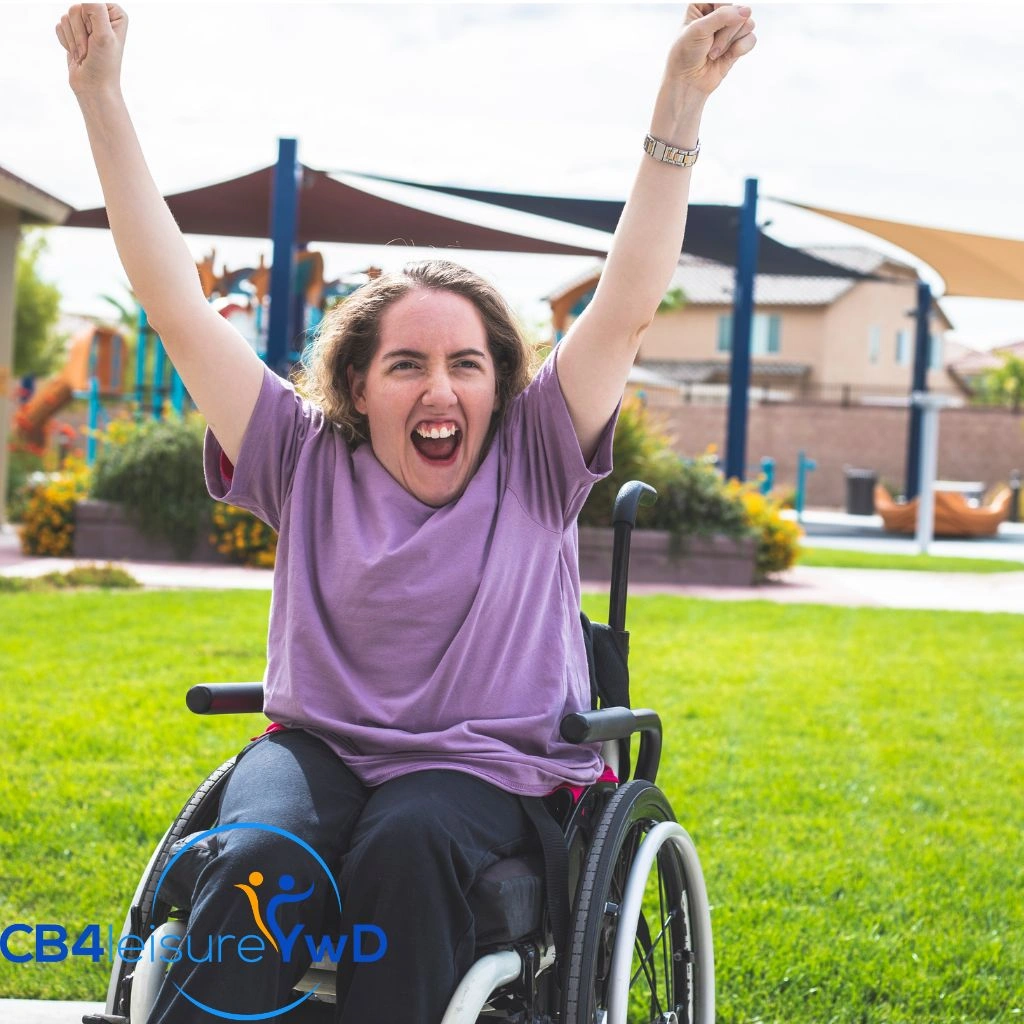
When people hear the phrase ‘inclusive sport facility’, they tend to think first of physical adaptations: ramps, accessible bathrooms, wider doorways, adapted equipment. These things matter enormously, and their absence is a genuine barrier for many people with disabilities. But if the conversation stops there, it misses the larger part of what inclusive facility management actually involves.
A space can be physically accessible and still feel unwelcoming. A programme can be technically open to everyone and still, in practice, serve only some. The physical environment is one dimension of inclusion – and an important one – but it is not the only one, and perhaps not even the most decisive one.
What makes a sport or leisure facility genuinely inclusive is the combination of physical accessibility, adapted programming, trained and confident staff, clear and accessible communication, a culture of welcome, and the active involvement of people with disabilities in shaping how the space is used and managed. Each of these elements reinforces the others. Remove any one of them and the overall experience of inclusion is diminished.
This is why capacity building for the management of inclusive sport facilities – one of the central focuses of CB4leisureYwD – goes well beyond a checklist of physical modifications. It covers the legal frameworks that protect the rights of people with disabilities. It addresses how programmes can be designed and adapted for mixed groups. It looks at staff training and development, inclusive communication strategies, partnership with disability organisations, and the mechanisms for ongoing monitoring and improvement.
Crucially, it also addresses the empowerment of young people with disabilities themselves to take on active roles in coordinating and managing these spaces. Inclusion is not only about being welcomed into a space – it is about having a meaningful say in how that space operates.
The goal is not to create a perfect blueprint that every organisation follows in exactly the same way. Contexts differ too much for that to be useful. The goal is to give organisations and individuals the knowledge, frameworks and practical tools to make thoughtful decisions in their own specific situation – and to keep improving as they go.